June 10, 2025
MAG Partners

MAG Partners Launches Leasing At Its Newest And Second New York City 

Residential Building, Mabel

Designed by renowned global architecture firm COOKFOX Architects and curated for nature-integrated living, sustainable luxury rental tower is the newest in the MAG portfolio named after influential women

Link to renderings here, credit: DBOX

NEW YORK (June 10, 2025) – High-profile woman-owned real estate company MAG Partners today announced the launch of leasing at Mabel, its newest and second residential building named in honor of historic and influential New York City women delivering an exceptional living experience that sets a

new standard for what urban housing can be. Located at 335 8th Avenue in the heart of Manhattan’s Chelsea neighborhood, the building — sustainably designed to achieve Passive House and LEED Gold certifications — adds 188 units of much needed new housing to New York City, 30 percent of which delivered under the Affordable NY program. 

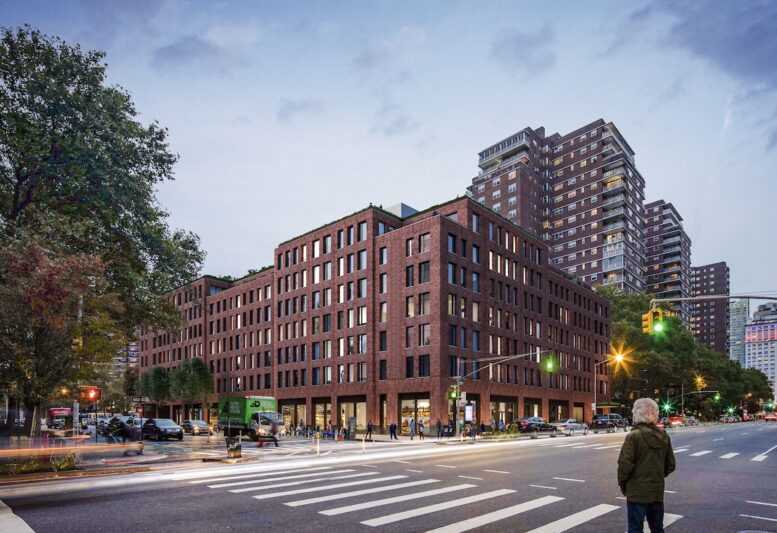
The contextual seven-story building is named after Mabel Osgood Wright, a pioneering American writer, conservationist and an early leader of the Audubon movement. An NYC local, Wright played a pivotal role in advocating for the protection of wildlife and their natural habitats during a time when environmental awareness was still in its infancy. Wright’s values align with MAG Partners’ commitment to beauty and sustainability, incorporated throughout the branding. The building honors her pioneering spirit with a sustainable design that delivers an unmatched level of beauty, comfort, and environmental responsibility.

Mabel is Passive House certified, the highest international standard for energy efficiency that ensures a superior living environment in comparison to traditionally constructed residences. Passive House brings numerous advantages, offering residents a sustainable, green lifestyle. Residences are eco-friendly, cleaner, quieter, and provide the utmost comfort for residents.

“As we continue to expand our residential portfolio with buildings focused on high design, thoughtful amenities and biophilic urban elements, we’re thrilled to be back in the thriving Chelsea neighborhood that, like all of New York City, needs more quality housing delivering the modern, elevated lifestyle New Yorkers want today,” said MaryAnne Gilmartin, Founder and CEO of MAG Partners. “We’re honored to continue celebrating the legacy of remarkable, trailblazing women in the city by offering the newest living experience that is both integral to our brand and the character of New York.”

Mabel is located around the corner from MAG’s first residential project, Ruby; 480 units at 243 West 28th Street named after Ruby Bailey, a master beader and prominent fashion figure of the Harlem Renaissance. That project opened in 2023 and is fully stabilized and leased.

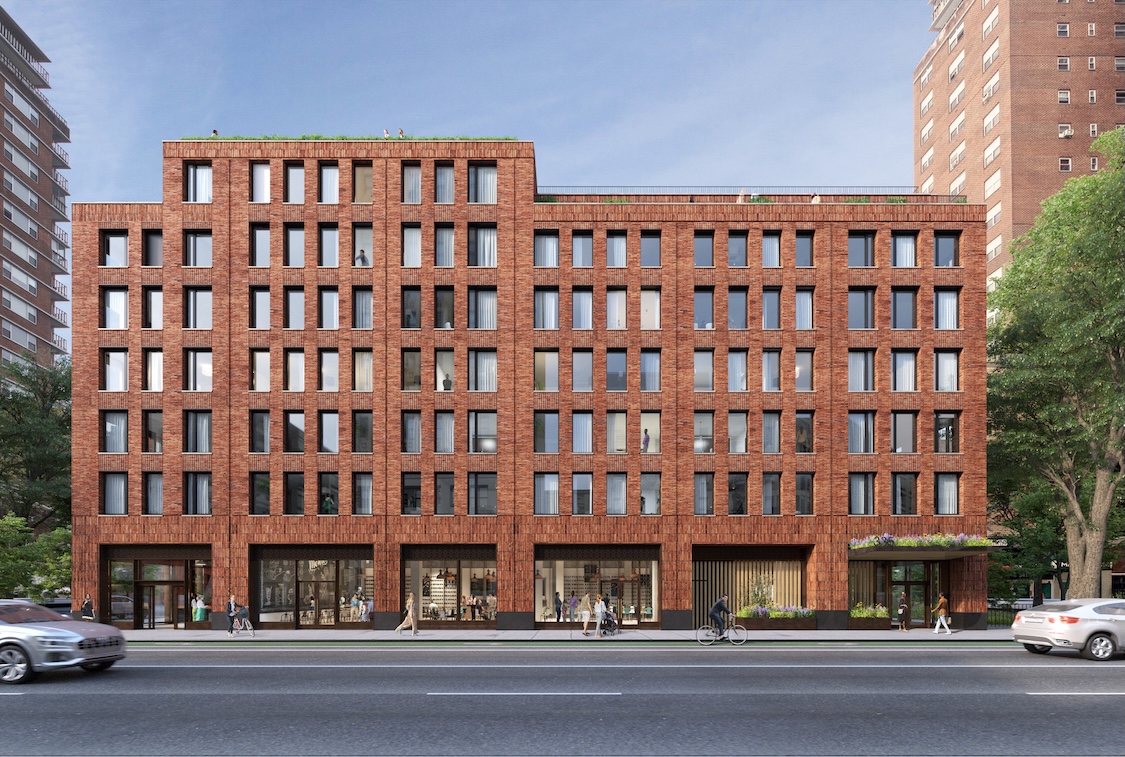
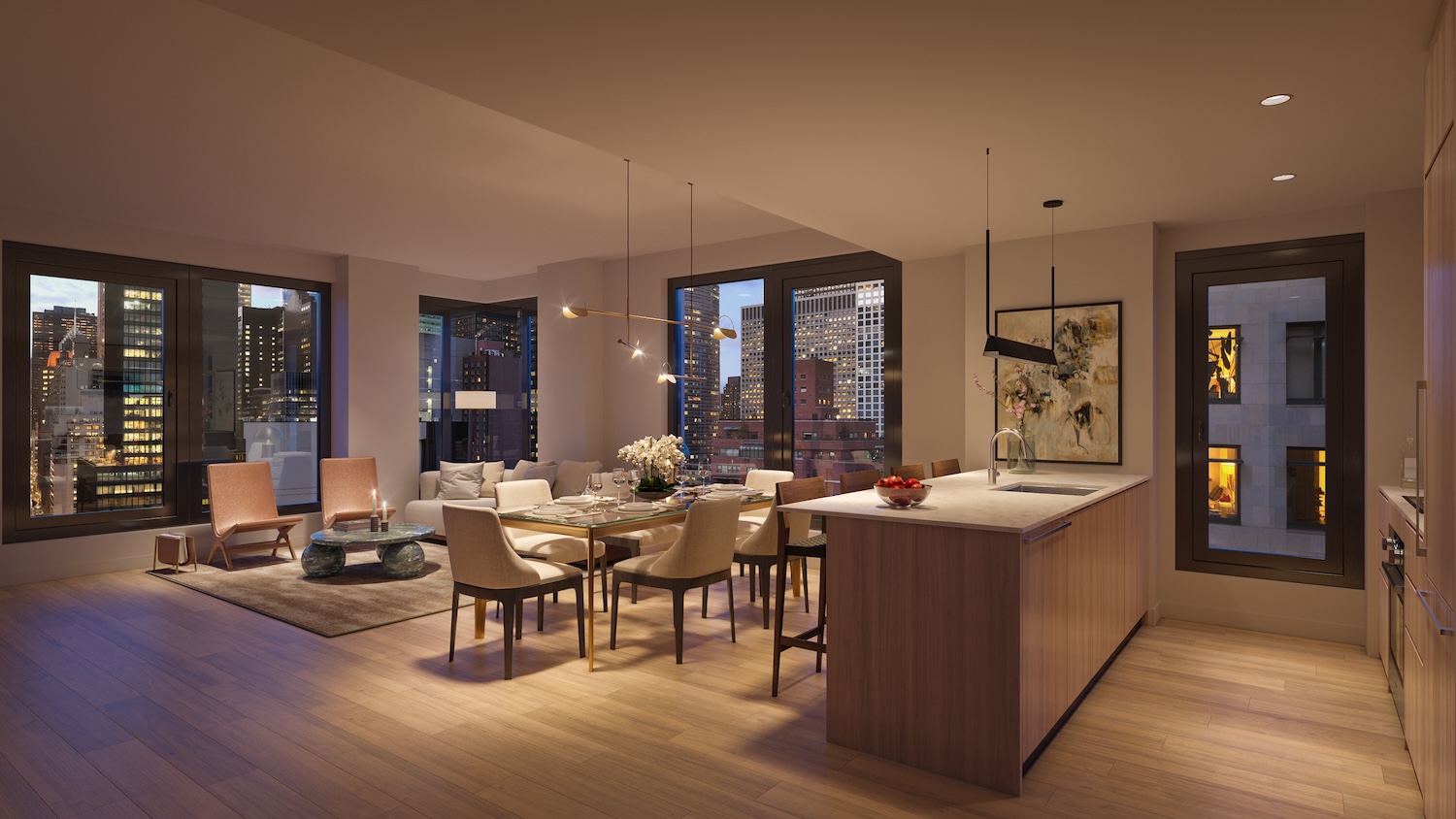
Designed by renowned architects COOKFOX, Mabel offers studio, one-, and two-bedroom homes that are bathed in natural light and redefine modern living in elegant urban style. Every detail is crafted to exemplify Mabel’s commitment to sustainability, health, and the preservation of local ecosystems. With ceiling heights of up to 10 feet, each residence is purposefully designed to maximize light, facilitate views, and enhance tranquility.

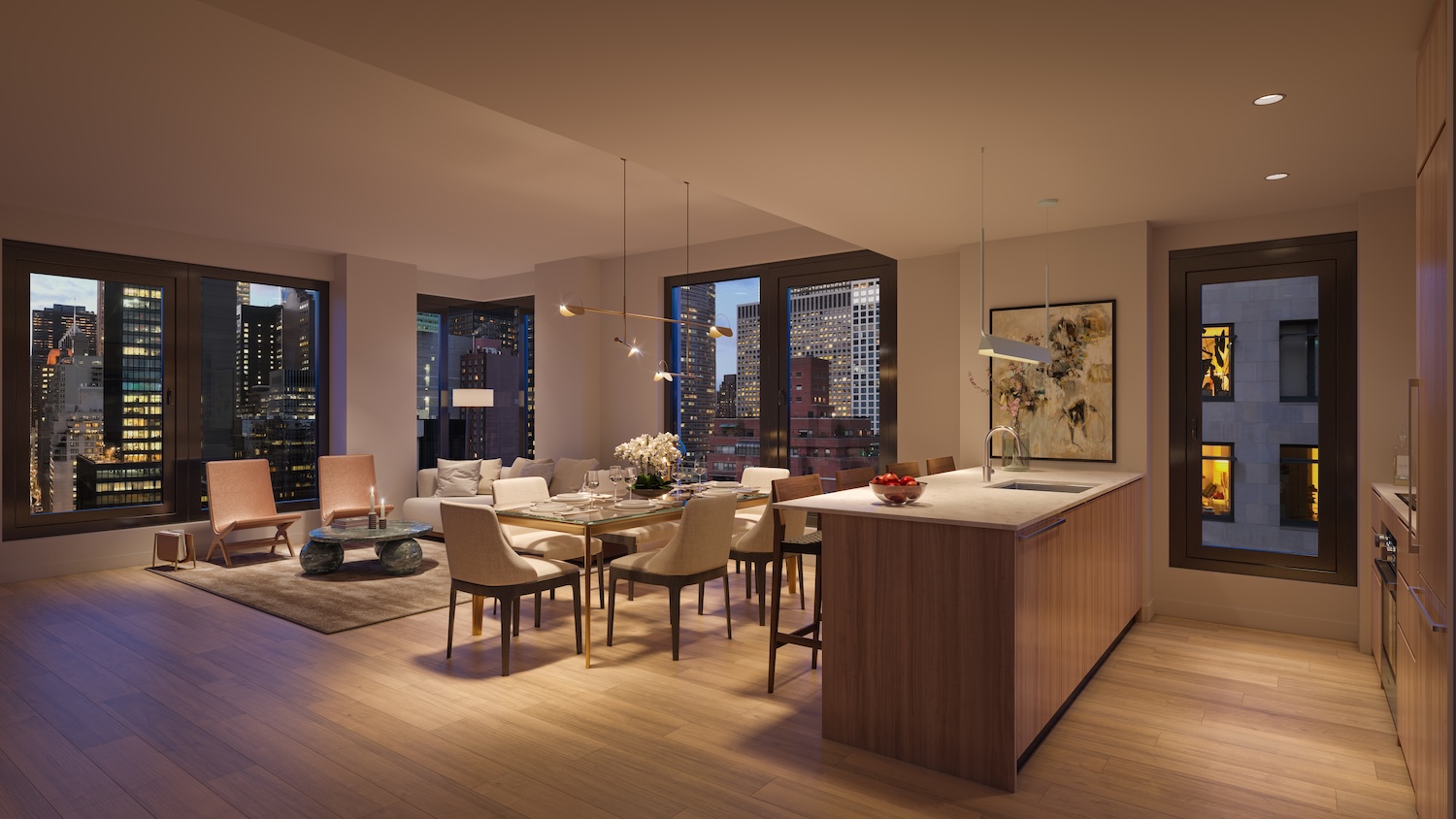
The 188 apartments feature wide plank White Oak wood-style flooring throughout, oversized triple-pane windows designed for improved comfort and quiet, and blackout solar shades in the bedrooms. The gourmet kitchens boast modern cabinetry with warm wood tones and light gray or pure white Caesarstone countertops. In addition, residences feature induction cooktops and seamlessly integrated appliances with paneled refrigerators and dishwashers. Full-height backsplashes offer light gray Caesarstone or Mosaic tiles. All units include in-home Bosch washer and dryers, Bosch wall ovens, smart home keyless entry and generous walk-in closets. 

Bathrooms are spa-like retreats featuring elegant floating vanities in light or warm wood finishes, complemented by pure white Caesarstone offset sink tops that enhance space and functionality. Full-height herringbone wall tiling is paired with matching floor tiles and oversized mirrors, creating a striking visual texture. Frameless glass showers and deep soaking tubs offer a luxurious, spa-like experience. Every detail has been considered to create an environment that’s serene, sophisticated, and sustainable.

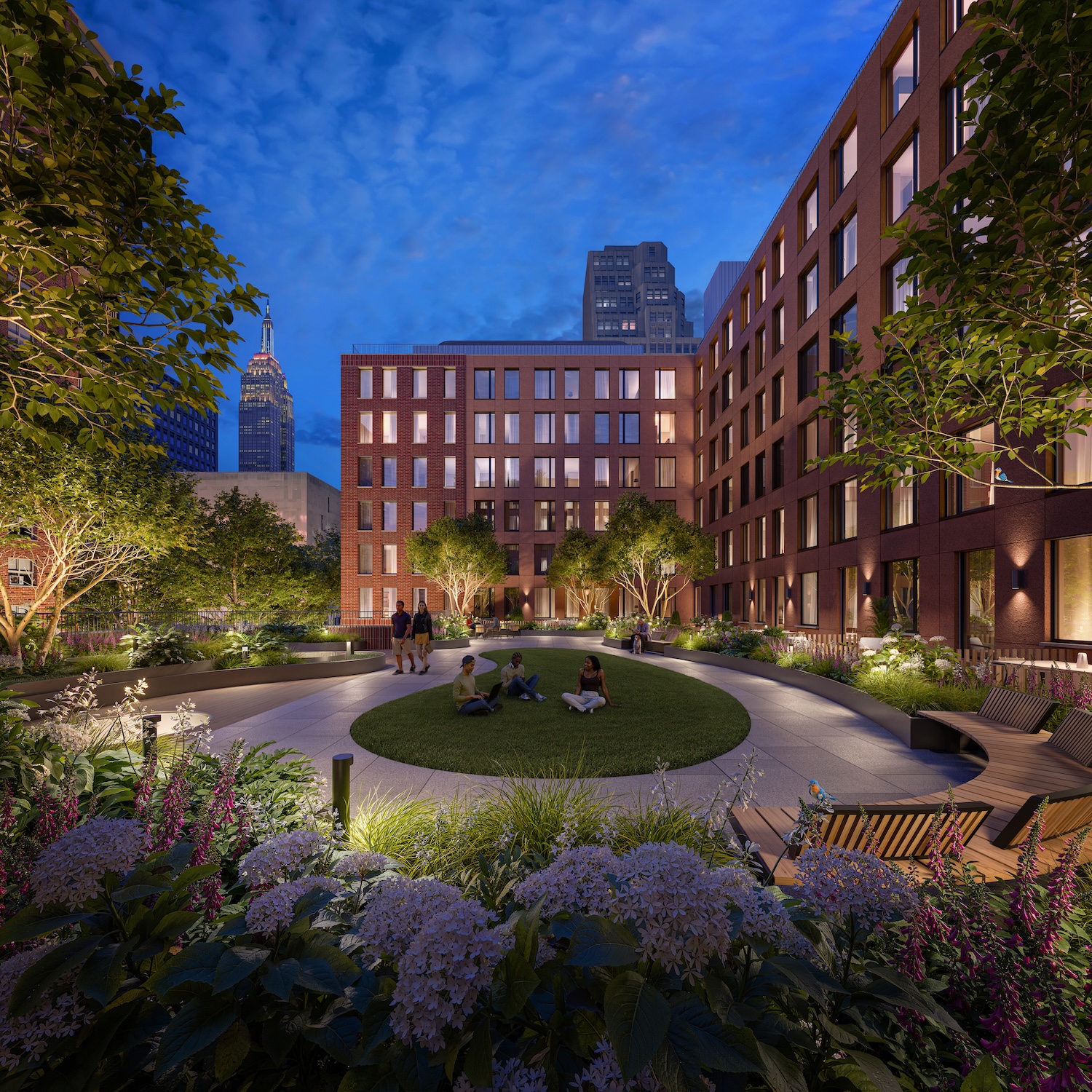
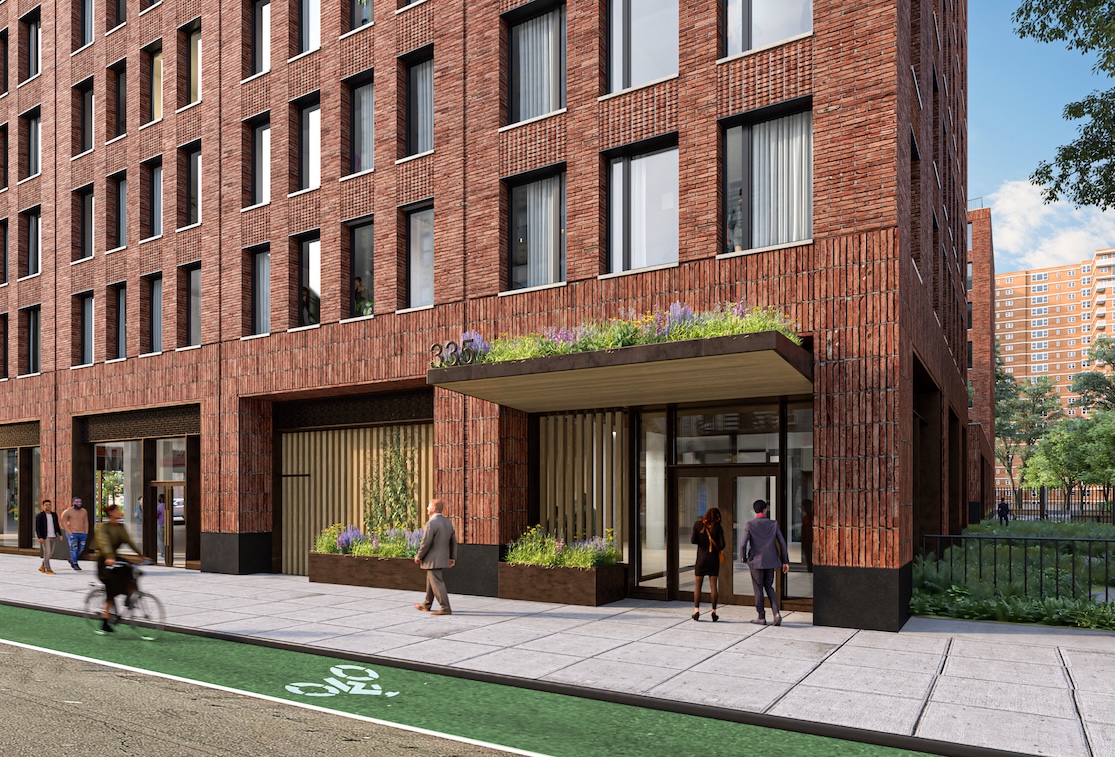
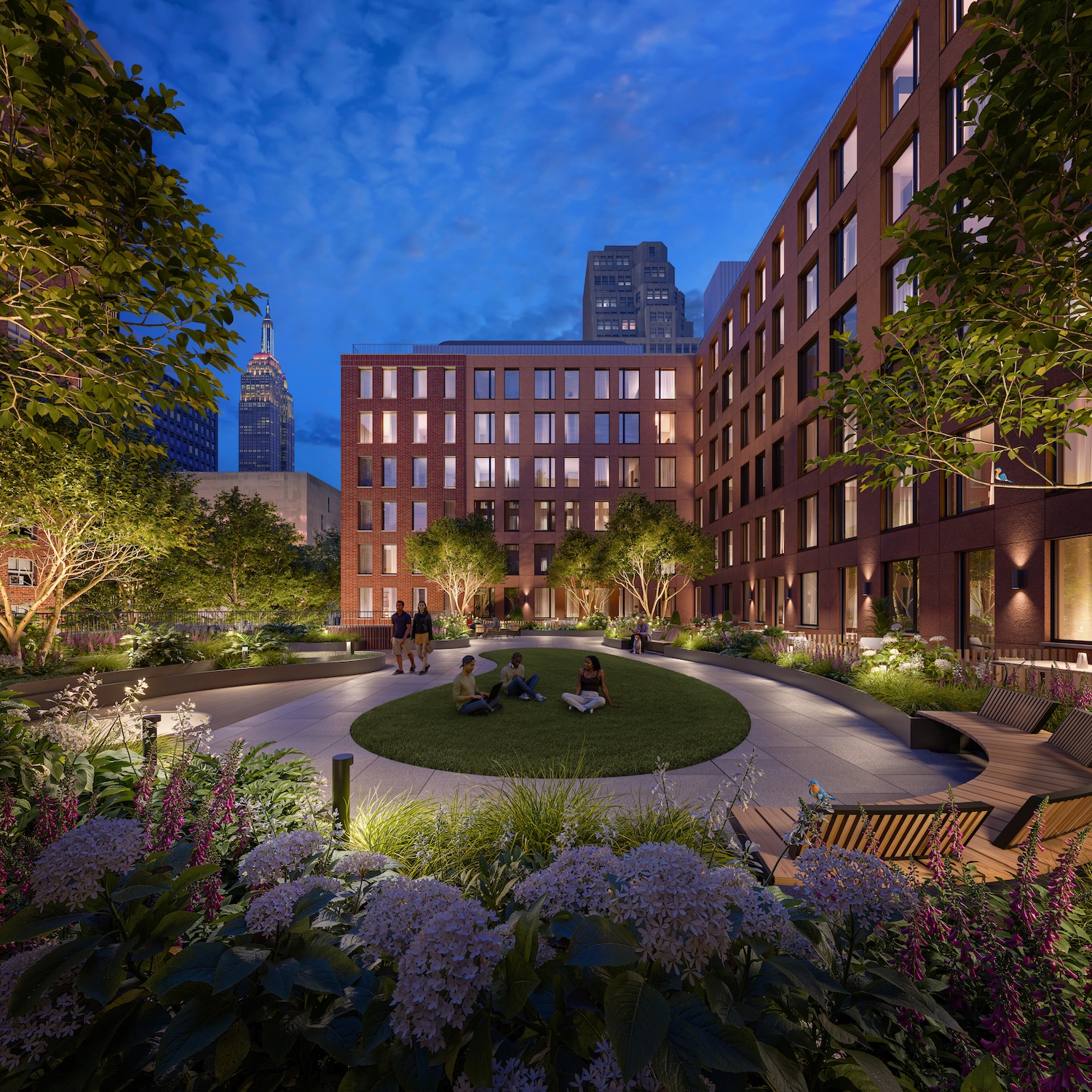
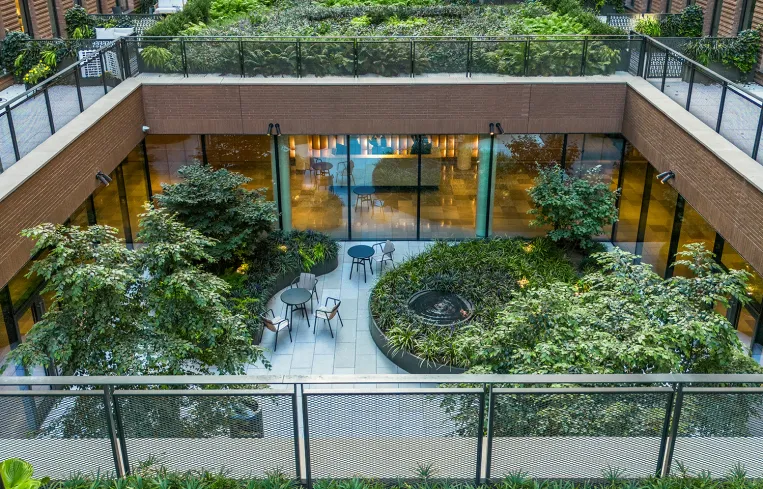
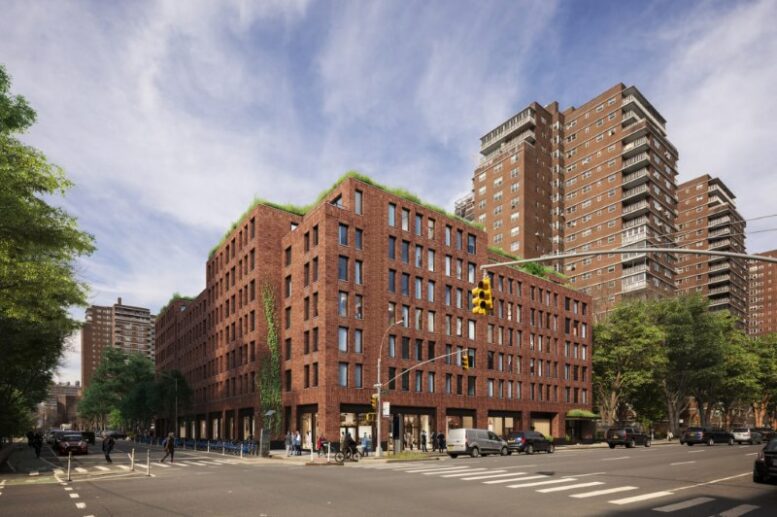
“Our vision was to bridge the mid-20th-century, verdant open plan of Penn South with the contemporary reinvention of Chelsea into a vibrant residential community,” said Brandon Specketer, AIA, Partner, COOKFOX Architects. “Mabel’s modern brick expression is massed to fit the historic masterplan and is interwoven with gardens, connecting new residents to nature and the existing community. The design creates healthy, sustainable homes for the neighborhood’s next era.”

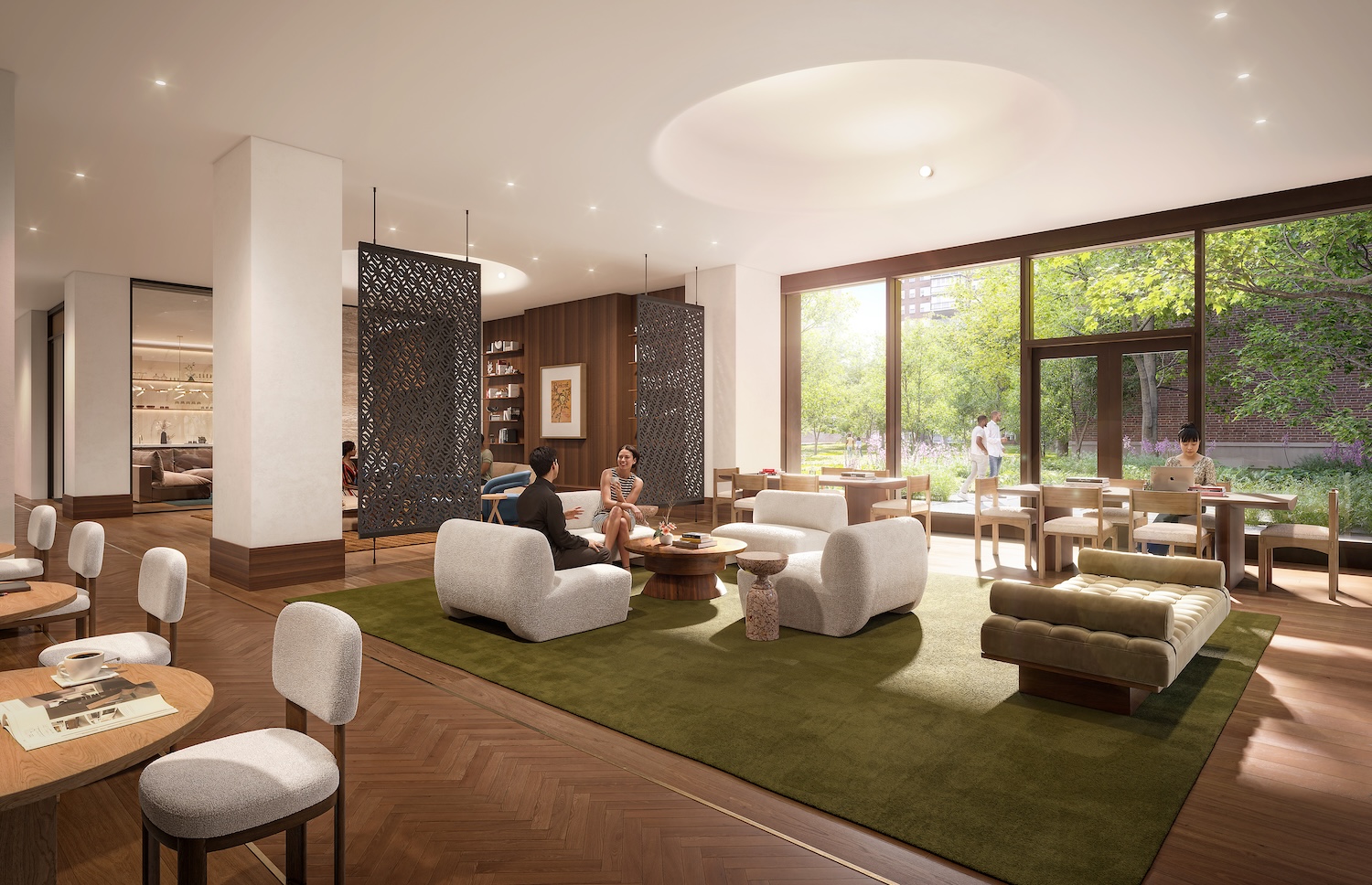
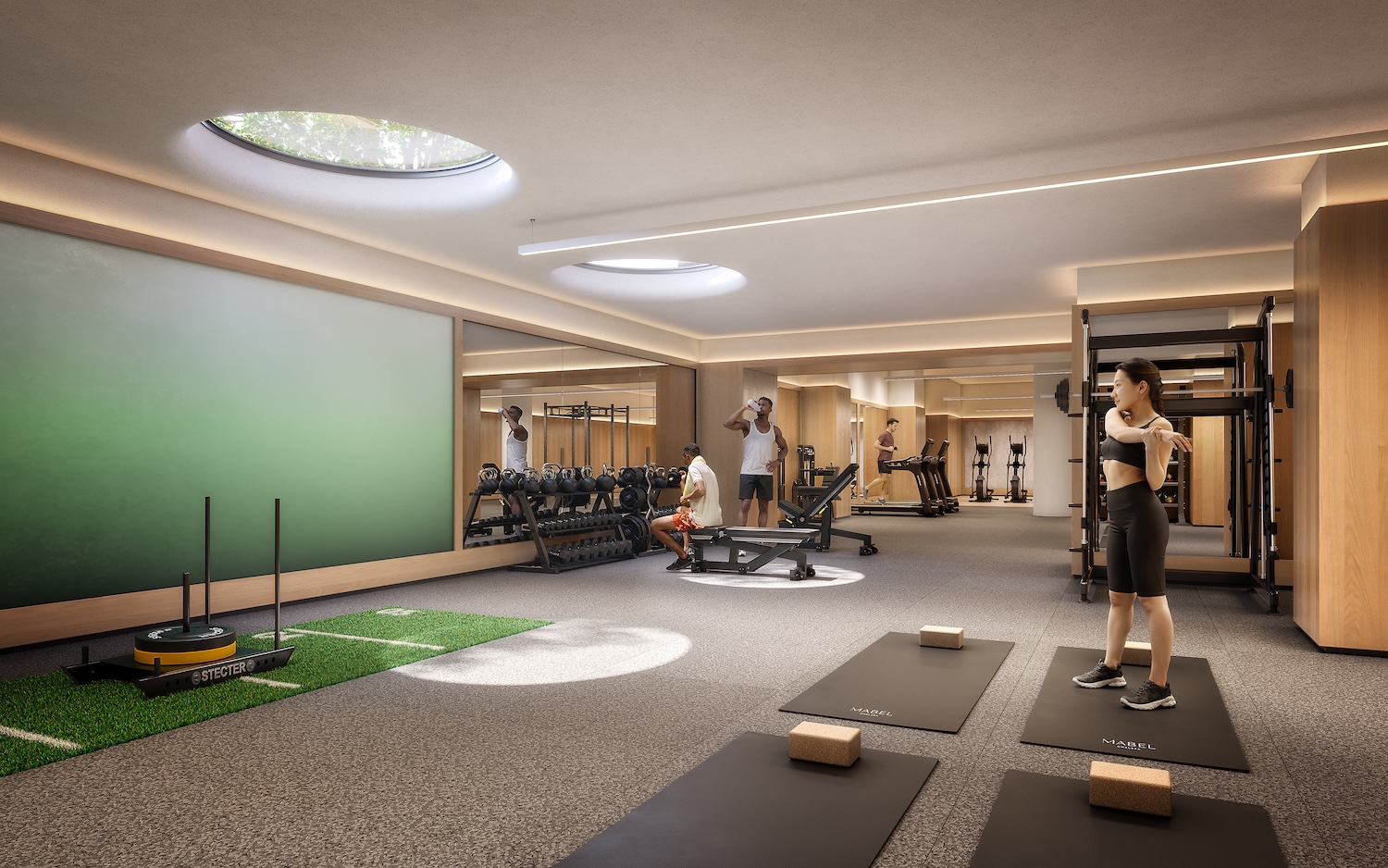
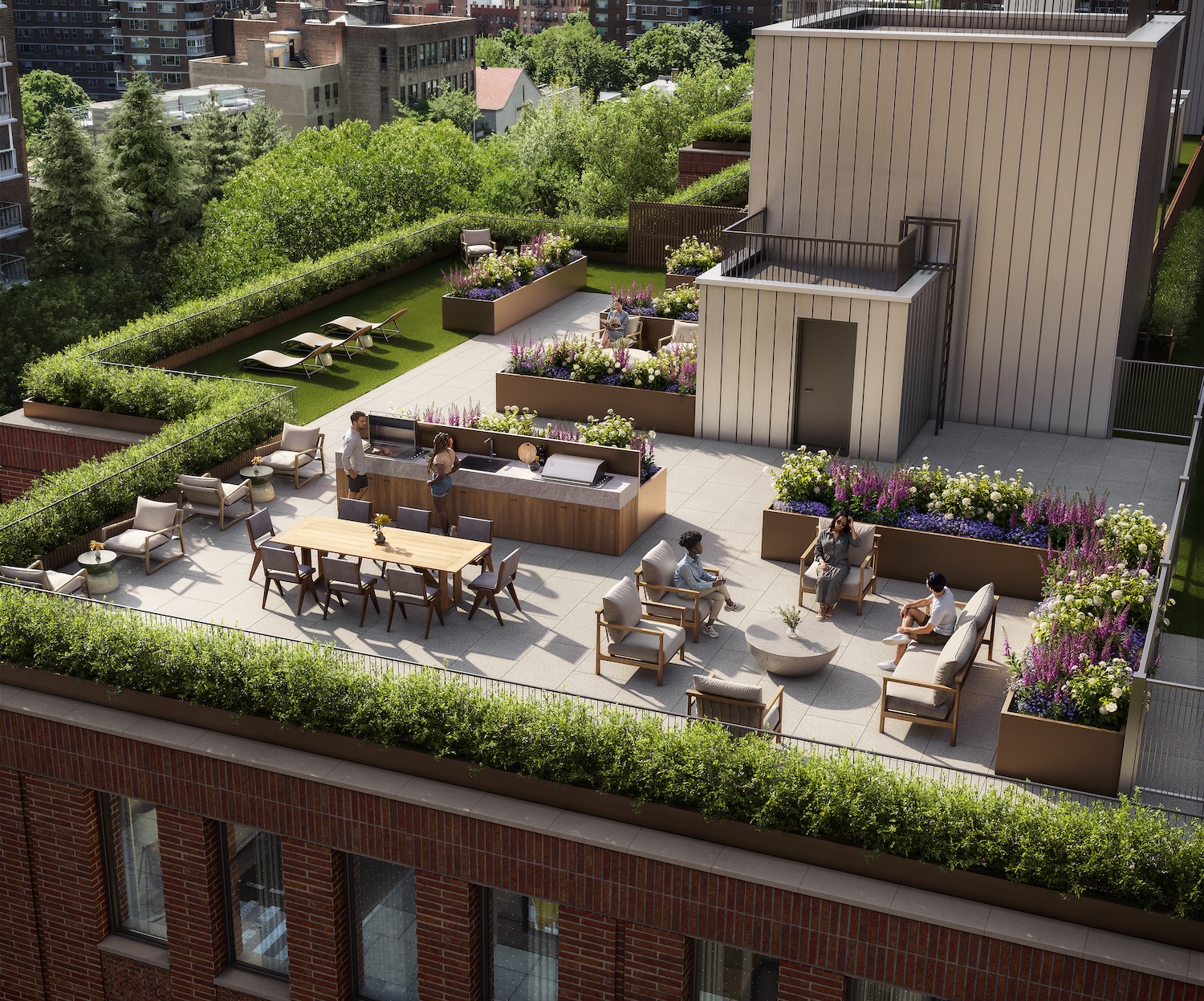
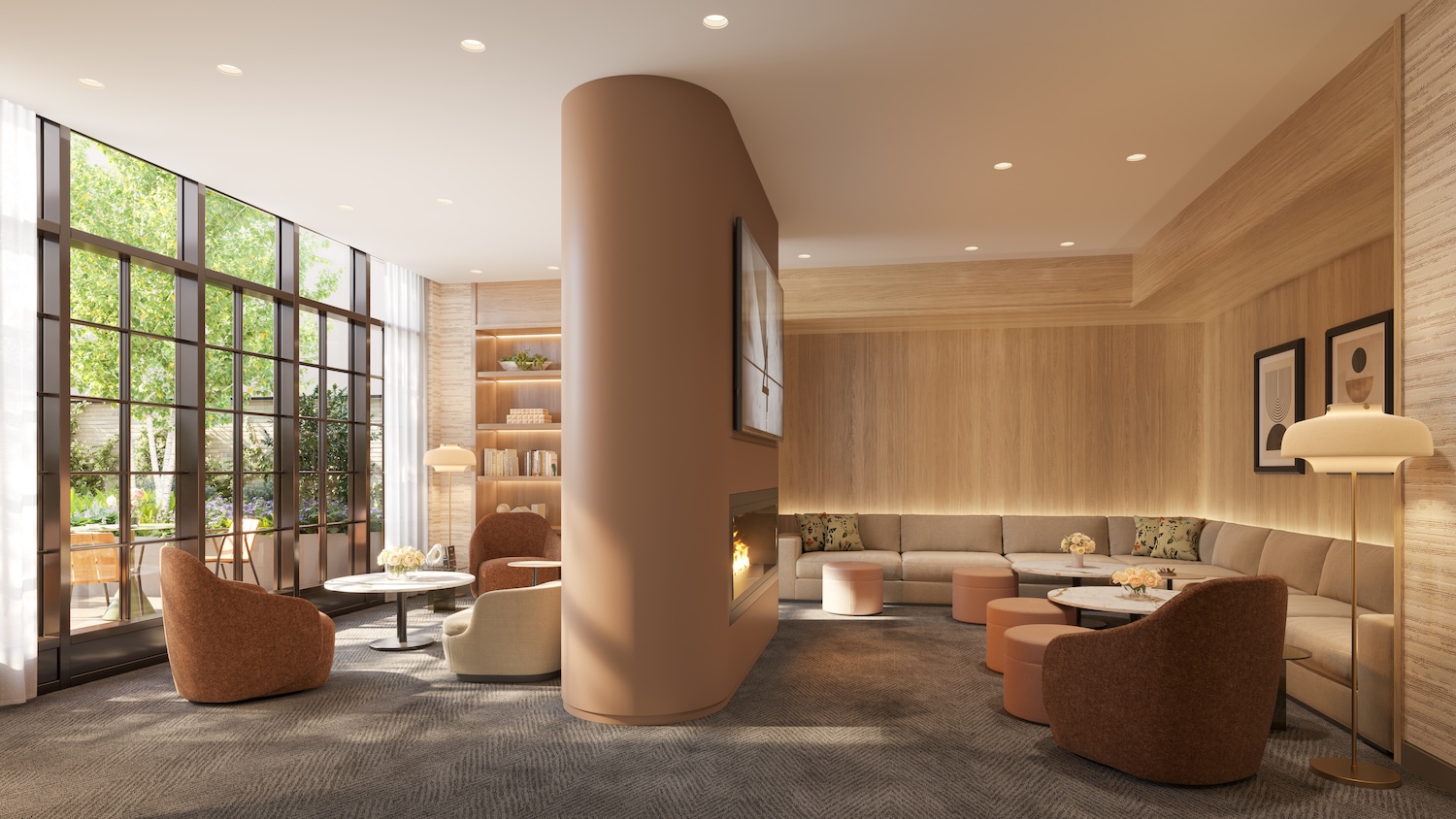
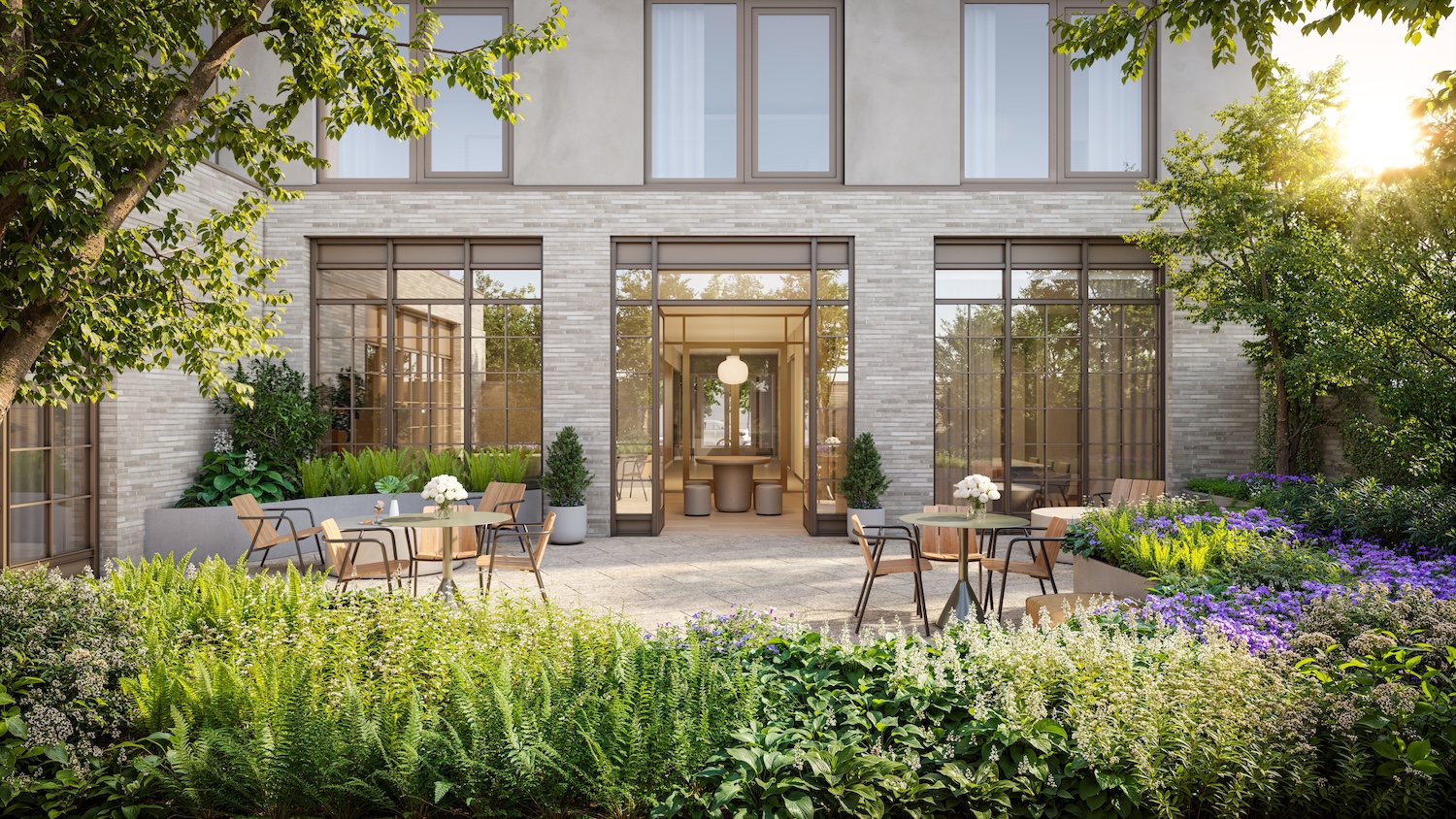
Residents enjoy over 25,000 square feet of indoor and outdoor amenities intentionally curated to promote comfort, convenience, well-being, and entertainment. These include a state-of-the-art fitness center equipped with top-of-the-line cardio and strength training equipment, as well as a pet spa, meditation room, self-storage, and bike storage areas. Residents have the comfort of a 24-hour attended lobby and can relax in the tranquil Sanctuary Garden and also make use of the meeting and conference rooms. The library/media lounge offers a cozy fireplace, entertaining wet bar with a designated dining area, and private phone booths. The Garden Terrace on the second floor features a lush, planted deck with comfortable seating. Other amenities include additional inviting lounge areas, a sun lawn, and a fully-equipped grilling and dining area for outdoor gatherings on the roof. Blooming gardens and courtyards cascading with greenery offer idyllic respites for relaxing, reflecting, and connecting.

MAG Partners was selected by Penn South, the affordable housing cooperative in Chelsea, to develop Mabel into a mixed income apartment building with ground floor commercial space including a grocery store operated by Lidl, the rapidly expanding high-quality grocery store from Europe. The project is being developed in conjunction with Safanad and Met Life Investment Management under the Affordable NY Program, with 30 percent of its units reserved for low- and middle-income New Yorkers.

“335 8th Avenue, Mabel is an outstanding mixed use urban development” said Sara Queen, head of real estate equity at MetLife Investment Management. “This commitment will provide additional affordable housing and strengthen the fabric of the West Chelsea neighborhood. We are pleased to make this commitment alongside Maryanne and the  MAG team.”

This is Lidl’s second signed lease in Manhattan, following its first opening in Harlem in 2022. The store will open in fall 2026 and offer a bakery, fresh produce, floral, meats and seafood sections, as well as other everyday grocery essentials, with unmatched value and a simple and efficient shopping experience.

“It has been an amazing experience to collaborate with MAG Partners on this project. As construction comes to an end and the doors open to the public, we are reminded that Mabel is more than a beautiful new building; she represents a significant step forward in our commitment at Penn South to improving the quality of life for our residents,” said Ambur Nicosia, President of Penn South. “Mabel is designed to help us meet our mission to reduce maintenance costs for our cooperators, increase the availability of affordable housing options in our neighborhood, and will soon host the highly anticipated Lidl supermarket. We congratulate MAG Partners on achieving this milestone as we all work together to contribute to and support the future of New York City.”

Mabel is in excellent proximity to Hudson Yards, Madison Square Garden, the High Line, Fashion Institute of Technology, and many of Chelsea’s acclaimed restaurants.

MAG Partners has also just launched Anagram Turtle Bay, a 194-unit building at the corner of East 50th Street and 2nd Avenue, located at 300 East 50th Street in Turtle Bay. Developed in partnership with Global Holdings and Safanad, the building is MAG Partner’s third completed multifamily building in Manhattan.

Douglas Elliman Development Marketing is the exclusive marketing and leasing agency of record. For more information, please visit mabelchelsea.com.

###

About MAG Partners

MAG Partners is a woman-owned, urban real estate company with decades of experience developing impactful, iconic, large-scale projects throughout New York City. Led by MaryAnne Gilmartin, together the MAG Partners team has successfully designed, built and operated over 7 million square feet of office, residential and mixed-use projects, including over 2,000 units of housing, with a total value of over $4.5 billion. The firm believes and has proven that principles of beauty, diversity and sustainability create lasting value.

About COOKFOX Architects 

COOKFOX Architects is a New York based architectural and interior design studio. COOKFOX has built a studio focused on high-performance, environmentally responsive, socially engaged design. The studio is well-known for innovative design that supports physical health and mental wellness at the highest standards of environmental performance. With a portfolio of diverse residential, workplace, and education projects, COOKFOX seeks to pursue architecture that restores, regenerates, and elevates our collective experience of the urban environment. www.cookfox.com

About Douglas Elliman Development Marketing (DEDM)

Douglas Elliman Development Marketing, a division of Douglas Elliman Realty, offers unmatched expertise in sales, leasing, and marketing for new developments throughout New York City, Long Island, Westchester, New Jersey, Florida, California, Massachusetts, and Texas. The company’s new development hybrid platform matches highly experienced new development experts with skilled brokerage professionals who provide unparalleled expertise and real time market intelligence to its clients. The firm is heralded for its achievements in record-breaking sales throughout each of its regions. Drawing upon decades of experience and market-specific knowledge, Douglas Elliman Development Marketing offers a multidisciplinary approach that includes comprehensive in-house research, planning and design, marketing, and sales. Through a strategic global alliance with Knight Frank Residential, the world’s largest privately-owned property consultancy, the company markets properties to audiences in 58 countries, representing an over $87 billion global new development portfolio. https://www.elliman.com/marketing

June 10, 2025
YIMBY

New Renderings Released By MAG Partners For Mabel And Anagram Turtle Bay In Manhattan

Mabel And Anagram Turtle Bay In Manhattan

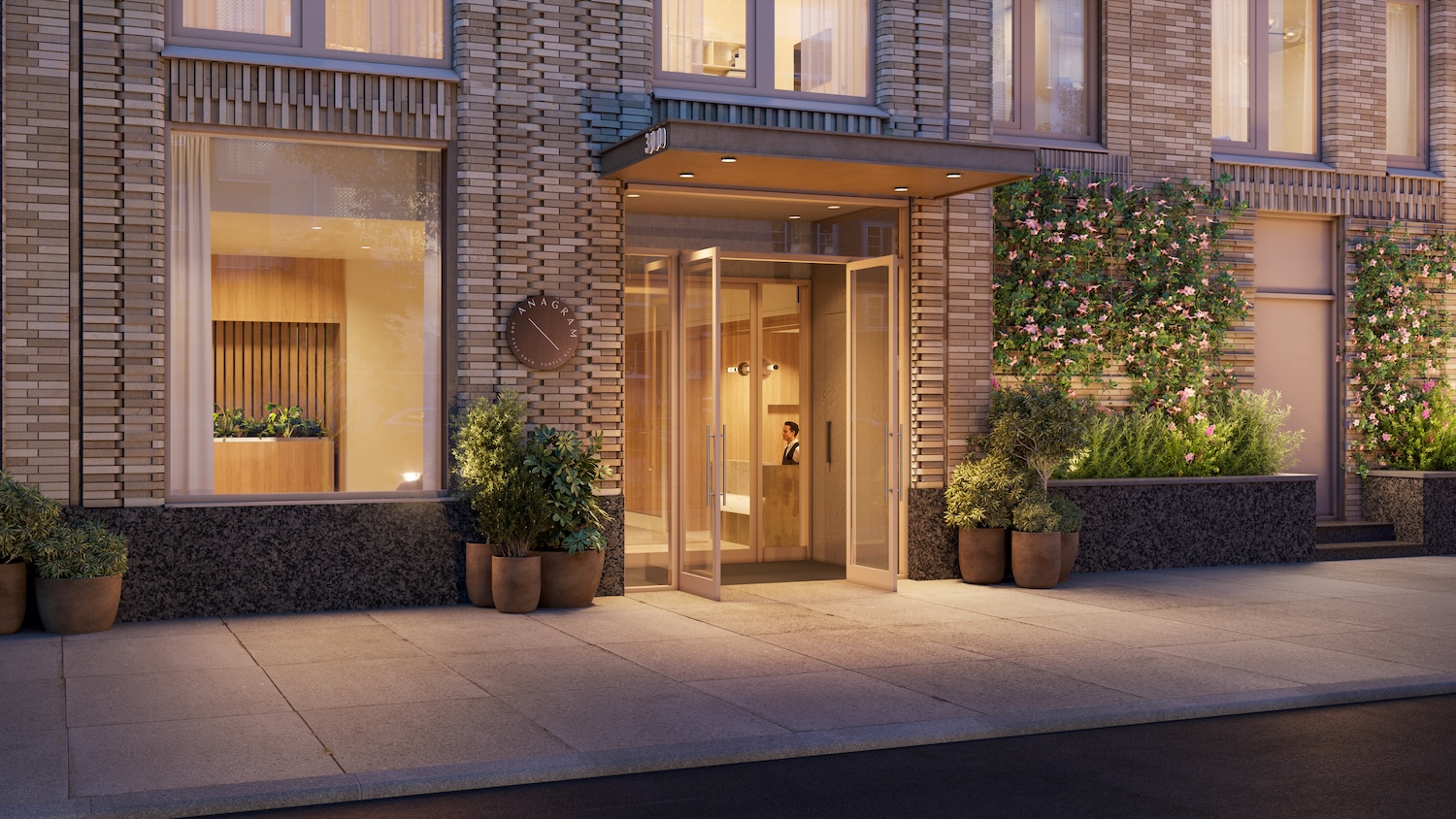
Rendering of Anagram Turtle Bay. Courtesy of Williams New York

Rendering of Anagram Turtle Bay. Courtesy of Williams New York

By: Max Gillespie 7:00 am on June 10, 2025

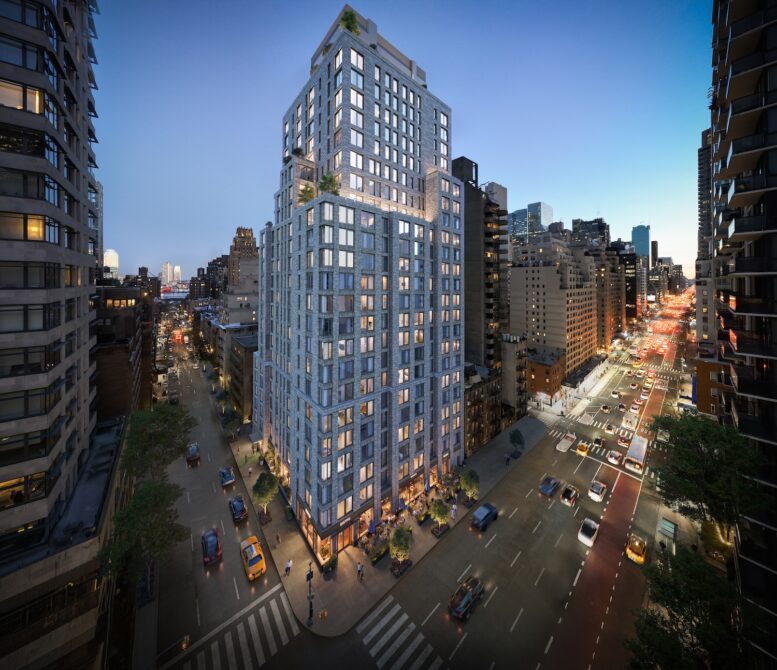
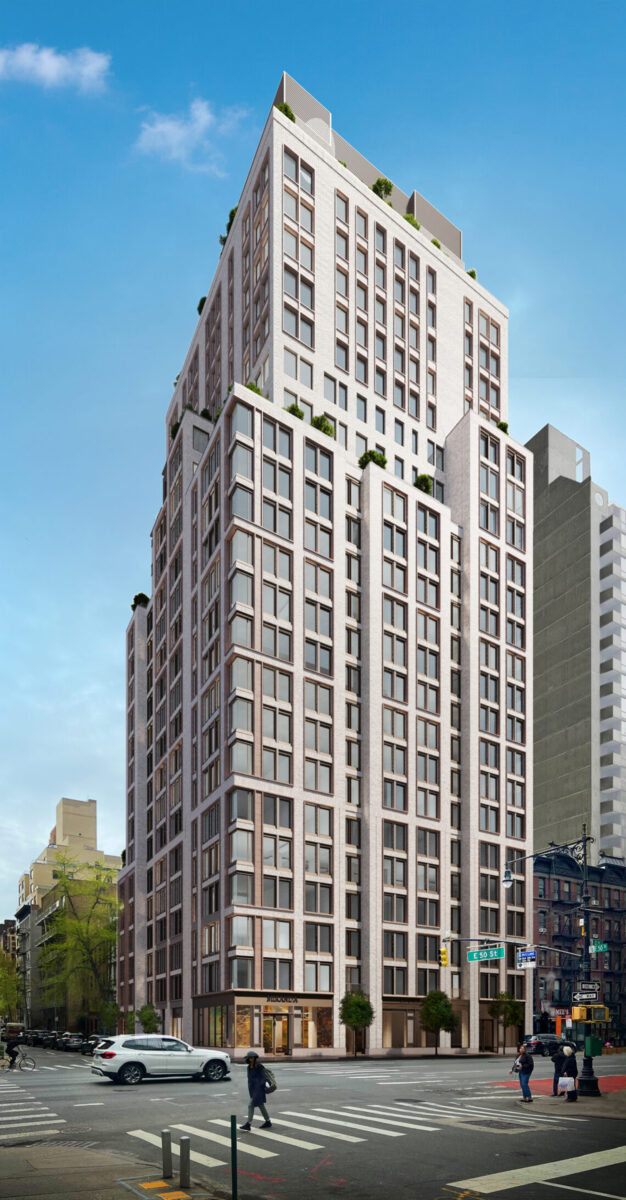
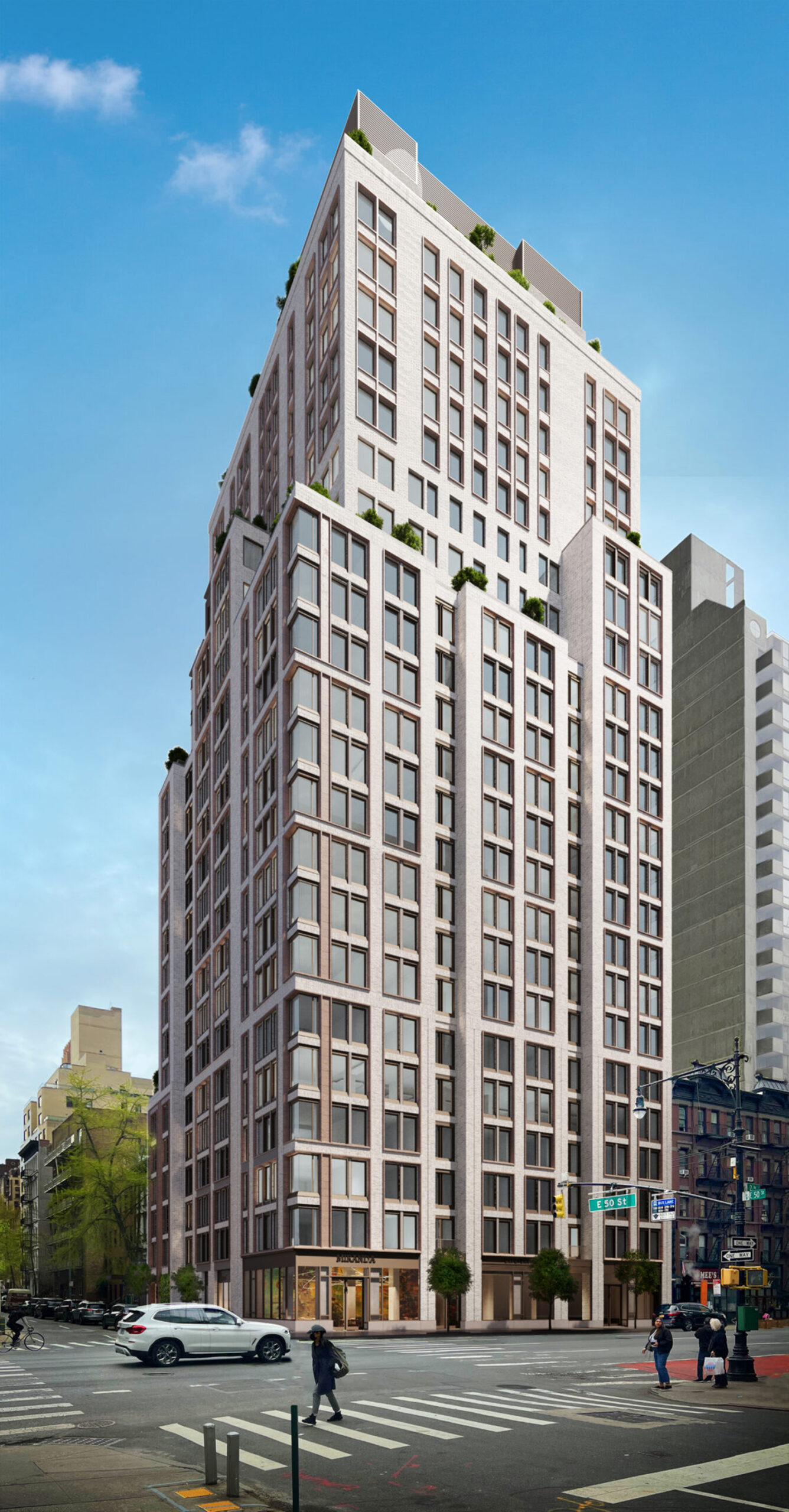
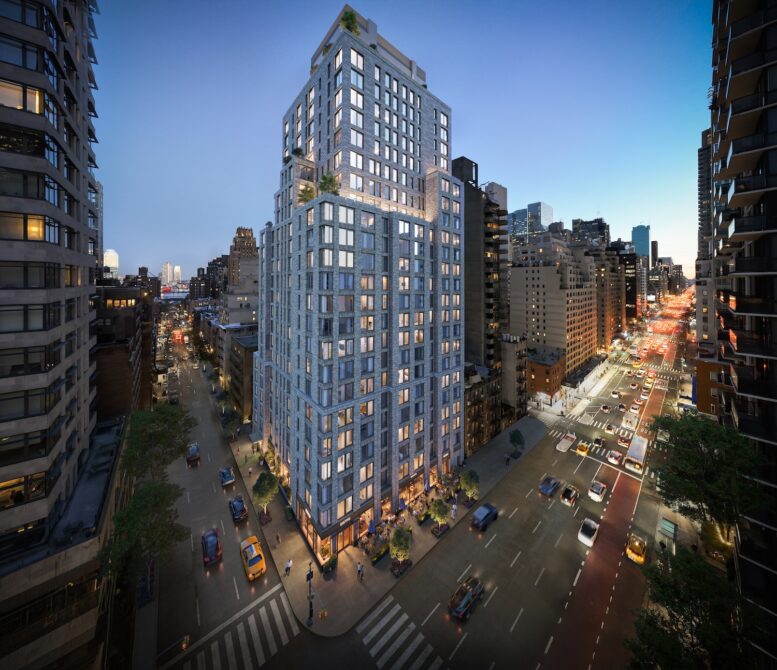
New renderings have been released for two recently completed residential developments by MAG Partners: Mabel, located at 335 Eighth Avenue in Chelsea, and Anagram Turtle Bay, located at 300 East 50th Street in Midtown East. Mabel, designed by COOKFOX Architects in partnership with Safanad and MetLife Investment Management, rises seven stories with 188 residential units, 30 percent of which are designated as affordable. Anagram Turtle Bay, a 23-story tower designed by BKSK Architects in partnership with Global Holdings and Safanad, includes 194 residences and also delivers 30 percent affordable units under the Affordable NY program. Both buildings are now leasing.

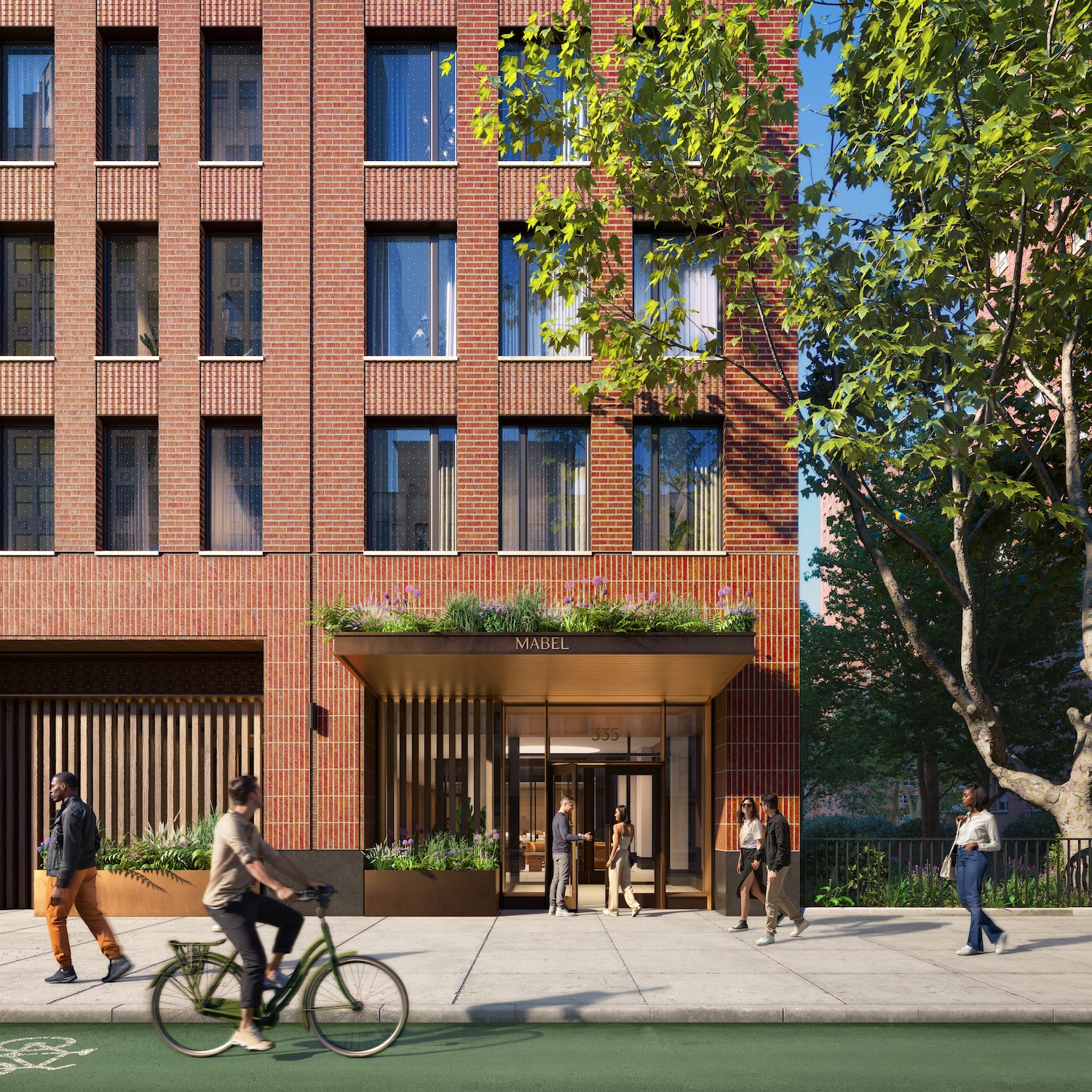
Rendering of Mabel. Courtesy of DBOX

Rendering of Mabel. Courtesy of DBOX

Rendering of Anagram Turtle Bay. Courtesy of Williams New York

Rendering of Anagram Turtle Bay. Courtesy of Williams New York

Rendering of Mabel. Courtesy of DBOX

Rendering of Mabel. Courtesy of DBOX

At Mabel, residences range from studio to two-bedroom layouts and feature triple-pane windows, white oak plank flooring, Caesarstone countertops, and Bosch appliances. Amenities include over 25,000 square feet of communal space, such as a fitness center, rooftop terrace, media lounge, pet spa, and a Lidl grocery store planned to open on the ground floor in fall 2026.

Rendering of Mabel. Courtesy of DBOX

Rendering of Mabel. Courtesy of DBOX

Rendering of Mabel. Courtesy of DBOX

Rendering of Mabel. Courtesy of DBOX

Rendering of Mabel. Courtesy of DBOX

Rendering of Mabel. Courtesy of DBOX

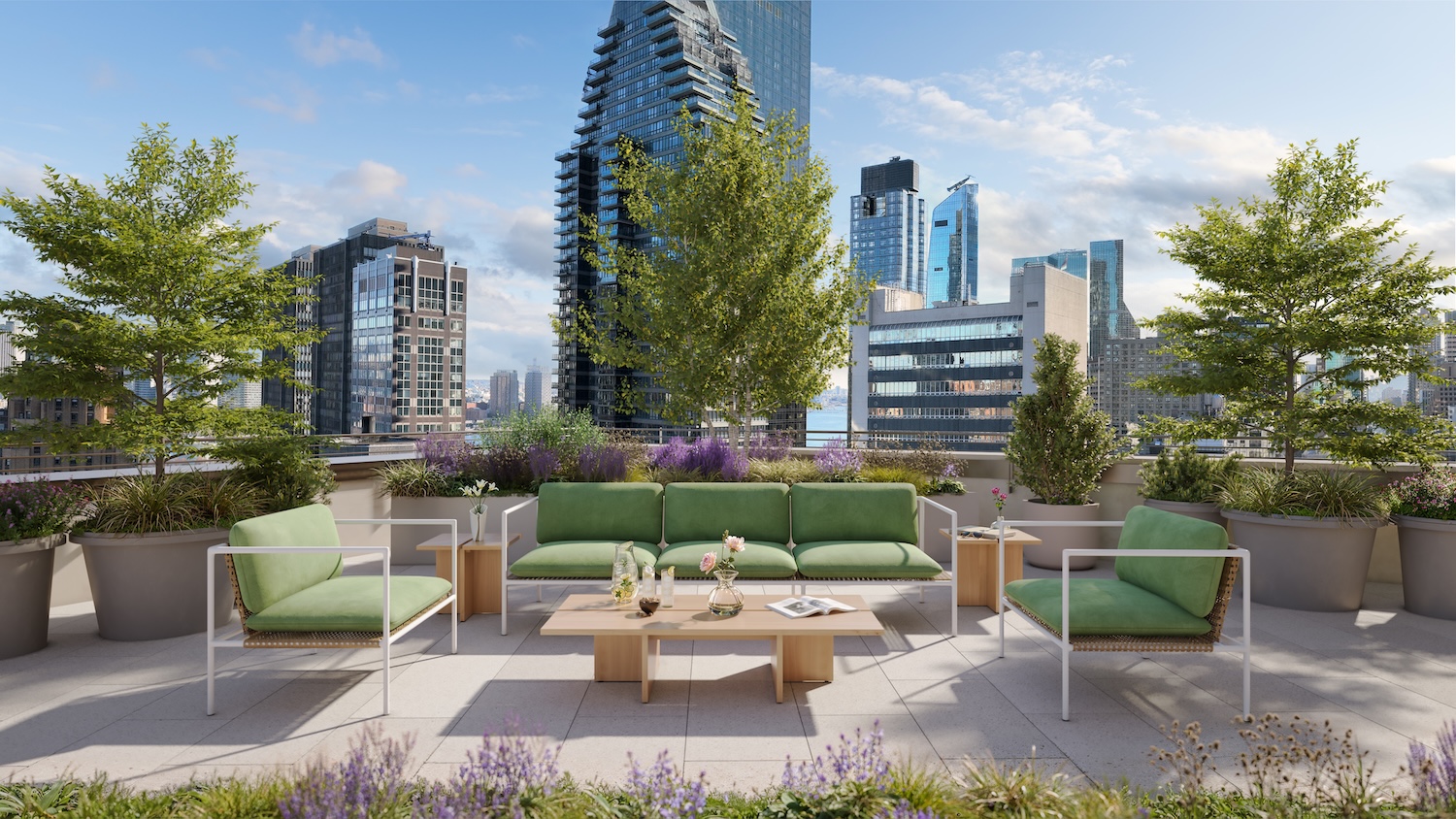
At Anagram Turtle Bay, units range from studios to three-bedroom layouts and feature oversized windows, in-unit Bosch washers and dryers, smart climate systems, and quartz-topped kitchen counters with Bosch induction cooktops. Bathrooms are styled with mosaic accents and terrazzo finishes. Anagram Turtle Bay offers three levels of amenities, including a cross-training fitness lab, library and study spaces, a media lounge with fireplace, and a 24th-floor rooftop with grilling stations and skyline views.

Rendering of Anagram Turtle Bay. Courtesy of Williams New York

Rendering of Anagram Turtle Bay. Courtesy of Williams New York

Rendering of Anagram Turtle Bay. Courtesy of Williams New York

Rendering of Anagram Turtle Bay. Courtesy of Williams New York

Rendering of Anagram Turtle Bay. Courtesy of Williams New York

Rendering of Anagram Turtle Bay. Courtesy of Williams New York

Rendering of Anagram Turtle Bay. Courtesy of Williams New York

Rendering of Anagram Turtle Bay. Courtesy of Williams New York

Nearby transit for Mabel includes the C and E trains at 23rd Street, the 1 train at 28th Street, and the A, C, E, 1, 2, and 3 trains at 34th Street–Penn subway stations. Anagram Turtle Bay is accessible via the E, and M trains Lexington Avenue/53rd Street, the 6 train at 51st Street, and 4, 5, 6, 7, and shuttle trains at Grand Central–42nd Street.


View Source
June 10, 2025
Commercial Observer

MAG Partners’ MaryAnne Gilmartin On Recent Launches, Future Plans

Her development firm is rolling out two multifamily projects in Manhattan, and staying busy in Baltimore

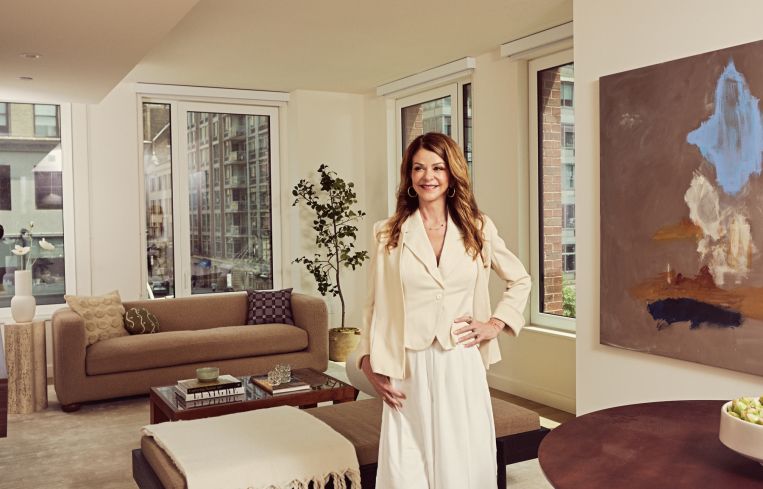
A woman standing in a condo.

Isabelle Durso, 6.10.25 

MaryAnne Gilmartin at MAG Partners’ Mabel building in Chelsea. 

MaryAnne Gilmartin has built a new brand for New York City’s buildings — and it’s all about the people. 

During her 24 years at the old Forest City Ratner, Gilmartin had a hand in building some of the city’s most famed properties, including Manhattan’s New York Times Building and Brooklyn’s Barclays Center. And, while she credits Forest City for some of her most rewarding work, 

Gilmartin left her role as CEO of the firm in January 2018 and never looked back, blazing a women-led path of ingenuity and diversity. 

Her newest projects showcase those goals. 

This week, in what Gilmartin calls a “tale of two buildings,” MAG simultaneously launched leasing at two new residential developments in Manhattan: the 188-unit Mabel at Chelsea’s 335 Eighth Avenue, and the 194-unit Anagram Turtle Bay at its eponymous neighborhood’s 300 East 50th Street. Thirty percent of units in both buildings are designated as affordable. 

Mabel is the little sister of the 480-unit Ruby just two blocks away at 243 West 28th Street, which was built during the pandemic as MAG’s inaugural project and began leasing in 2023. 

In an effort to highlight the human aspect of what goes into creating a building, Gilmartin named Mabel and Ruby after two historic influential women — American writer and conservationist Mabel Osgood Wright and pioneering fashion designer Ruby Bailey — as part of the company’s larger new portfolio of residential buildings named after women. 

Mabel, which will open to tenants later this summer, has secured Germany-based grocery store Lidl as its anchor tenant in 23,000 square feet of ground-floor commercial space, while Serafina Mare — a spinoff from Italian restaurant Serafina — will move into 5,000 square feet on the ground floor of Anagram Turtle Bay. 

Commercial Observer caught up with Gilmartin last week to discuss her new building portfolio, the developer’s current work in Baltimore, and her future plans. 

This interview has been edited for length and clarity. 

Commercial Observer: So MAG Partners has started a portfolio of residential buildings named after historic influential women. How did you come up with that idea? 

MaryAnne Gilmartin: I think it very much aligns with what we’re trying to do as a company, which is really to give the industry a bit of a makeover, to look at the building of cities as building for people, and recognizing that in New York City, with tall towers, skyscrapers and homes in the sky, you can really lose touch with the human aspect of it. So we always come back to the people. 

We believe you can build beauty and create value at the same time, and then you can deliver not just for the partners and the money investors, but for the communities in which you build. So, in starting the company and believing that beauty pays off and that beauty delivers, we didn’t want to do the ordinary. We have an ability to do things refreshingly different in an industry that really has not experienced disruption or change at the pace that other industries did. 

Naming the building is probably one of the most enjoyable parts of the process of putting the building together. We thought, “If we think about ourselves as community builders and placemakers, there are people that live in these communities historically that have made contributions.” And then we thought, “Why don’t we start by researching women historically in these neighborhoods?” In doing that, we had tons of options and incredible names. 

Mabel was designed by Cookfox Architects. How does the architecture and design fit into Mabel Osgood Wright’s legacy? 

First and foremost, we love Cookfox because they know how to build in context. So you have to know where you are. We weren’t putting up a glass tower on this site, because we’re in West Chelsea. So it starts with the fabric of the materials, like the brick and the richness of the color, and then their commitment to biophilia and connecting with nature. And, hopefully, when you walk through the front door, you feel like, “Wow, I live here. I can come to a place that is calming to me and makes me feel connected to the outside.” The architecture is seamless with the environment. 

This building has the highest elective standard of building sustainably that exists in the entire world, which is Passive House. In New York City today, there are only 75 Passive House buildings. There are a million buildings in Manhattan. 

When the pricing started coming back, there was some concern that we couldn’t afford it. When you do Passive House, you have to design it to certain standards — the window wall, the triple pane — so you don’t hear anything outside. Even the appliances, they have to be the most energy-efficient appliances available in the marketplace today. So that’s a cost, right? Because you can’t just go to the lowest supplier. 

All along the way, we had to recommit to our Passive House design, because when we had budget woes — and you always do when you’re designing a building — the lowest-hanging fruit was to just get rid of Passive House because nobody was going to call us out on it. … But the great part about it is that the people living in this building are the beneficiaries — not just of the design features and the comfort, but the fact that it will be cheaper. You may pay your rent, but when you pay your utilities, you’re going to be paying less because this building is so efficient. 

With the higher costs of financing these amenities, how does that make it worthwhile for your buildings? Is it worth it to pay to go the extra mile, so to speak? 

It has to be about conviction. And, of course, it’s about math. But getting back to what I said about good design paying off: If in New York you want to build commoditized product, you could build schlock and still make money. If you build quality, I believe you’re going to still be able to be profitable. And, over time, I would argue that the investments in this building will be de minimis, because the quality of the construction is so high out of the gate. 

For the commercial space downstairs, how did you choose Lidl as a tenant? 

It’s both good news and bad news. So this is a food desert. This area has been without a supermarket that everybody could afford to shop in for a very long time. There was a Gristedes here, and it was in substandard condition, but it was affordable, and we committed to replace the supermarket with a modern version of a well-priced grocery store. So, for example, we said we wouldn’t put Whole Foods in because not everybody can shop at Whole Foods. 

Before we even put a shovel in the ground — and this is very rare for retail in New York — we had the Lidl deal signed. And to their credit, Lidl is in a massive expansion campaign in the United States. They’re German-based, they recognize the dearth of supermarkets, and they really made us an offer we couldn’t refuse. … We worked really hard to get that lease done, but to have a forward commitment for a supermarket before the shovel was even in the ground is both an indication of the absence of high-quality, affordable supermarkets in Manhattan and a reflection of the site and the economics that we were able to deliver for Lidl. 

So we’re not too far from Ruby. Can you explain why it was named after fashion designer Ruby Bailey and how her legacy fits into the design of that building? 

Ruby around the corner is the inaugural MAG Partners project. There’s a lot of emotion, a lot of legacy tied up in that site, because that building was the first for us. It was built during the pandemic. It was the ultimate validation of New York City’s comeback story. 

We had to fight to get financing. Our capital partners needed to believe that New York City was going to be OK. People had to come back to New York to live at a time when people were running away from the city. And, then, lo and behold, upon opening, New York was alive again. People came back, and the rents of that building surpassed pre-pandemic rents. 

It’s a powerful and emotional story for us, and the naming of it again is one of the most joyous moments. It was that building where we decided this is what we wanted to do with the company, was to name it after women. We did the research, we knew it had to have a connection to fashion. We came up with Ruby Bailey. What we hope is that people know what Ruby means, because she was uncelebrated and unrecognized. She was a master beader, and she deserves the recognition that hopefully that building brings. 

Anagram Turtle Bay has also launched leasing. Is that one going to be named after a woman? 

If we’re anything at all, we’re really good partners. Our partners in that project are Global Holdings and Safanad, and they have built a few extraordinary buildings recently, including Anagram Columbus Circle. 

We’re building a company, we’re building a business, and we’re building a partnership, and we made the decision that we have to do what’s best for the building and the partnership. So, it 

seemed to us that we had the great fortune of drafting in behind Anagram Columbus Circle, and we thought the bar and prestige of the Anagram brand would serve the building well. 

The Anagram is in some ways positioned a bit differently, but it has the same dedication to sustainability, to quality, to nature. If you take the time to really study the neighborhood and the community, and you treat your architect as a contributor, not a vendor, you can produce greatness. 

How do you choose which neighborhoods to develop in, and how do you prioritize affordability? 

We’re highly opportunistic, because you need to be. New York City doesn’t have a lot of land or building opportunities, so you need to say, “What are the neighborhoods you really want to build in? Where can you add value? Where does your capital want to see investment?” 

We love Brooklyn. It’s been our front yard, our backyard and our side yard for most of our careers, and it’s where I live. So we’re looking at some stuff in Brooklyn. We’re fortunate to have built three buildings in Manhattan, where the barriers to entry are even higher. The new [485x] tax program, just getting to the issue of affordability, is critical for anything you build that is multifamily. In New York City, you cannot afford to build a rental building unless you have the tax program, which just got revamped. 

This tax program, if it exists for the next 10 years, is going to define the scale, the size, the quantity of rental housing that’s built in the city. I think the program is flawed, but we were given lemons, so we’re just making lemonade. 

The 421a tax abatement was replaced with the new 485x — how are you going to use 485x going forward? 

421a had an exemption for anything under 300 units, and so both Mabel and Anagram, because they’re 200ish units, were under that threshold, so they were built under the old program. But the program was expiring and there was no renewed program, so it got caught in the expiration period where the city came to a grinding halt. 

It was a tale of the credit crisis kicking in, it being very hard to get loans on buildings, and our capital being very concerned that we weren’t going to have the runway to finish. As it turns out, the program got extended during our construction, but it didn’t help us, because we had to finance it under the assumption that it wasn’t going to get extended. 

This is an example where public policy can have big consequences for delivering housing. Everybody, including every mayoral candidate, has acknowledged the primary issue for New Yorkers is to find high-quality affordable housing. Yet the program’s expiration and the new program that followed 421a has had a material impact on developers and placemakers’ ability to 

deliver the kind of housing that the city needs. It’s this intersection between policy, politics, real estate and taxes, which all has to come together. 

Is there a candidate you’re supporting in New York City’s mayoral race? 

I’ve been saying for a long time that sometimes you have to get outside your box to understand what’s going on inside your box. 

Politicians, community leaders and citizens of Baltimore are so pro-change because they love their city so much and want to see better things for their city. That’s compared to what’s started to happen in New York, where the answer was always no. Just resistance to change — period, end, stop. 

Did the built environment and the real estate community bring it on itself because developers would roll into communities, build what they want, never come back again, and leave communities with negative impacts? Probably, but the new developer, the modern developer, has a profound appreciation for the impact that owning and operating a building has on a community. 

So I would say that I’m very pleased that in this election everyone that’s running agrees that we have a housing crisis. All the candidates are recognizing it, and they all have a different approach to how to build housing. 

I think this city needs a functioning CEO who knows how to get things done. I’m not going to pick a candidate, but I am going to say of the field of prospects, some of them rate higher in their ability to deliver results. This is a consequential election for this city, because of our need to build housing, create safety for our citizens, and to be forward-thinking about how technology can make our city better. We need to be bold, we need to be fierce, and we need to be unapologetic in pursuit of that. So I would lean toward the candidates that are not afraid to take positions and deliver results. 

You worked for Forest City Ratner for 24 years and started this company seven years ago. What kind of image do you want to build for MAG? 

I have been so blessed to have touched so many amazing projects and worked with incredible people. I had something to do with building three of the most important buildings of their times in New York City: the New York Times Building, New York by Gehry, and Barclays Center. You are what you build if you’re a developer, and so to have a small part in building those icons, I consider myself to be so lucky. 

We were really taught to build many things at Forest City. A lot of developers build office buildings, they build residential buildings, or they build hotels. Forest City’s reach was so wide that if you were young and eager and fortunate like I was, I was able to learn how to build many different things. So that’s what gave me the audacity to think that I could start my own company. 

And I have to confess, I don’t know why I wasn’t petrified by the idea that a woman could start a real estate development company in a city like New York, where you could not find a woman that has done that. 

I focused much more on the possibilities as opposed to the challenges. I believed in the team, I believed in the mission, and I believed that there was room for a company like MAG Partners. 

My work now is to help the industry become more inclusive, make the buildings more beautiful, and take more risks in how we build and lead a team that really represents the future of the industry. I’m really into the rookie perspective. I may have done this for 30 to 35 years, but the superpower is to know that you might not know, and the answer may lie with somebody who’s been doing this a lot less time, who just has a lens and a view of the future that’s very different. So my dent in the universe, if there is one, is to leave in my buildings a concrete manifestation of possibility, of what conviction, competency and collaboration can do. 

MAG has also doubled its employee roster in recent months to boast 10 employees that make the company 50 percent female. How does that set MAG apart from other developers in the city? 

By leading by example and actually doing the things we say we’re going to do. Talking to young people and trying to inspire the next generation actually works. Because I’m in the C-suite, I have more ability to influence outcomes than ever before, and my job is to find ways in which I can do that. 

The way that I’ll know that it’s happened is that it’ll be no longer lonely to be a woman founder and real estate developer in New York City. It’ll be not such an interesting story that I did what I did because other people would be inspired to do the kinds of things that we’re trying to do at MAG Partners. 

MAG also has a project in Baltimore, part of Sagamore Ventures and Goldman Sachs’ Baltimore Peninsula development. Can you give a little more detail on that and its timeline? 

The team and I fell in love with Baltimore. We were invited down there by Kevin Plank [Under Armour’s founder and CEO whose family office is Sagamore Ventures] to give him some guidance. It was a massive project — 14 million square feet of total entitlement he controls with Goldman Sachs, about 235 acres of land. It was big, it was bold, and it has the potential to transform the city and lift it up. 

We’re 1,000,001 square feet in, and we’ve had great wins notwithstanding all the headwinds in the economy and the difficulty of cities like Baltimore in terms of crime and budget deficits. So we’re very proud of the work, and, as long as we’re welcome, we want to continue to help build a better Baltimore. 

So what’s next for MAG? Are you looking at anything on the office side? Or any other asset classes? 

We are building a pipeline of projects on the residential side that are right-sized for the 485x program, so we have a lot of interest in continuing this campaign to build housing. We will build 25 to 30 percent affordable. And we love conversions. We’d love to do a conversion of an appropriate office building to residential. 

And we are big believers in the flight to quality on the office front. We think that the return-to-work movement is here to stay. I also think that hybrid work is here to stay. Unlike a lot of my industry peers, I believe that flexibility and hybrid working is a great recruitment tool. In the culture of MAG Partners, we run hard, but we do it in creative ways that support people’s lifestyles and their desire to create families and be present at home, as well as in the office. So we would love to do an office building. 


View Source
May 19, 2025
Commercial Observer

PwC Downsizing, Moving to 23K-SF Office at MAG Partners’ Baltimore Peninsula

The accounting and consulting firm is leaving its 36K SF digs at 100 East Pratt Street in Downtown Baltimore

The developer behind the sprawling Baltimore Peninsula project in Maryland’s Charm City has landed another office tenant, nabbing it from a nearby skyscraper in Downtown Baltimore.

Accounting and consulting firm PricewaterhouseCoopers (PwC) inked a 23,000-square-foot downsizing lease with the landlord and development firm MAG Partners at Baltimore Peninsula’s Rye Street Market area, a four-building complex in the center of the master-planned district. The lease brings Rye Street Market to 50 percent leased. PwC previously occupied 36,000 square feet at Vision Properties’ 100 East Pratt Street, roughly 3 miles north of Rye Street Market.

Cushman & Wakefield’s Baltimore team arranged the lease.

PwC joins several office tenants at 301 Mission Boulevard, such as design firm Chambers, the Baltimore Ravens, liqueur brand Disaronno and Longeviti Neuro Solutions, alongside ground-floor retail tenants such Jersey Mike’s and Pinky Cole’s Slutty Vegan.

“Baltimore Peninsula continues to prove itself as a magnet for cutting-edge companies like PwC,” MaryAnne Gilmartin, MAG Partners’ founder and CEO, said in a statement. 

The Baltimore Peninsula project, located in the city’s Port Covington neighborhood, has been in the works for nearly a decade. MAG Partners, alongside MacFarlane Partners, took over the project in 2022. Once completed, the 235-acre project will feature some 14 million square feet of mixed-use space, along with 2.5 miles of rehabilitated waterfront. 

The development team, which also includes Sagamore Ventures and a Goldman Sachs Asset Management affiliate, have been busy over the past few years collecting tenants at Rye Street Market in particular. Last July, the team inked leases with Longeviti and cryptocurrency mining company OBM for a combined 14,000 square feet at the project. The previous May, the team signed Tex-Mex concept restaurant Urbano and karaoke purveyor Live-K for a combined 12,300 square feet. 


View Source
April 28, 2025
YIMBY

Anagram Turtle Bay Nears Completion at 300 East 50th Street In Midtown East, Manhattan

300 East 50th Street. Designed by BKSK Architects

300 East 50th Street. Designed by BKSK Architects

Construction is nearing completion on Anagram Turtle Bay, a 23-story residential tower at 300 East 50th Street in Midtown East, Manhattan. Designed by BKSK Architects and developed by MAG Partners in partnership with Global Holdings and Safanad, the 275-foot-tall building is the fourth property in MAG’s Anagram collection. It yields 194 rental units, 30 percent of which have been designated as affordable. The property is located at the southeast corner of East 50th Street and Second Avenue.

300 East 50th Street. Designed by BKSK Architects

The building spans 170,000 square feet, including 4,888 square feet of ground-floor retail space. Its façade is composed of gray brick and floor-to-ceiling windows.

Transit nearby Anagram Turtle Bay includes the E, M, and 6 trains at Lexington Avenue-53rd Street and 51st Street stations.

Anagram Turtle Bay’s completion will closely follow that of MAG’s other residential project, Mabel, at 335 Eighth Avenue in Chelsea. Also developed with Safanad, Mabel will deliver 190 units, 30 percent of which are affordable.


View Source
April 11, 2025
City Realty

Meet Mabel: MAG Partners unveils renderings of new residential project in Chelsea

In early April 2025, MAG Partners, the real estate developer founded by MaryAnne Gilmartin, unveiled new renderings of Mabel, its latest residential project. The seven-story building, rises from a prominent site at 335 Eighth Avenue at the corner of West 26th Street. The red-brick building brings a context-sensitive design by COOKFOX to its Chelsea neighborhood, but its 

all-electric infrastructure will be instrumental in its quest for LEED Gold and Passive House certification. 

MAG Partners developed Mabel in conjunction with Safanad and Met Life Investment Management under the Affordable NY program. Thirty percent of the 188 units have been designated affordable for low- and middle-income New Yorkers. 

Details are not yet available about the apartments’ interiors, but first renderings show large operable picture windows that fill the spaces with natural light. Residential amenities are set to include a fitness center, a library, a media lounge, a coworking lounge with private workspaces, and a dining area with catering kitchen. Additionally, in accordance with COOKFOX’s 

commitment to biophilic design principles, Mabel will be topped with outdoor roof gardens with grilling and dining areas. 

Mabel is named in honor of Mabel Osgood Wright, a New York City writer and early conservationist, in the spirit of MAG Partners naming its residential buildings in honor of historic women. It is located around the corner from Ruby, MAG Partners’ first residential project named in honor of fashion designer/Harlem Renaissance figure Ruby Bailey. (No word yet on who the namesake for 300 East 50th Street will be, but this MAG Partners-helmed project is estimated to open this summer.) 

Mabel is also located in excellent proximity to Hudson Yards, Madison Square Garden, the High Line, Fashion Institute of Technology, and many acclaimed Chelsea restaurants. Nearby public transportation options include the 1, C, and E trains at 23rd Street, and it is also situated down the street from Moynihan Train Hall. 

Mabel rose as the replacement of an aging building at the limited-equity Penn South cooperative located between Eighth and Ninth Avenues and spanning West 23rd to 29th Streets. Under the terms of Mabel’s ground lease, MAG Partners will pay rent directly to Penn South in a move that keeps the complex affordable for current and future residents. 

Moreover, as the old building housed a Gristedes supermarket in its retail space, the developer agreed to include a replacement supermarket in the new building. As such, Mabel’s ground-floor commercial space will include a grocery store operated by Lidl, a high-quality European-based grocery store. 

Exterior work completed at Mabel as of March 2025 (CityRealty) 


View Source
April 8, 2025
YIMBY

Mabel Nears Completion At 335 Eighth Avenue In Chelsea, Manhattan

Rendering of 335 Eighth Avenue. Designed by COOKFOX

Rendering of 335 Eighth Avenue. Designed by COOKFOX

By: Max Gillespie 7:00 am on April 8, 2025

Construction is nearing completion on Mabel, a seven-story residential building at 335 Eighth Avenue in Chelsea, Manhattan. Designed by COOKFOX Architects and developed by MAG Partners under the Affordable NY Program in partnership with Safanad and MetLife Investment Management, the structure yields 188 rental units. The property is located at the corner of Eighth Avenue and West 26th Street.

Rendering of 335 Eighth Avenue. Designed by COOKFOX

Rendering of 335 Eighth Avenue. Designed by COOKFOX

Amenities include a fitness center, coworking lounge with private workspaces, a library, media lounge, dining area with catering kitchen, and a rooftop deck with landscaping, outdoor dining areas, and electric grills. The property is designed to meet Passive House and LEED Gold certification standards.

Rendering of 335 Eighth Avenue. Designed by COOKFOX

Rendering of 335 Eighth Avenue. Designed by COOKFOX

Mabel was commissioned by Penn South, a local affordable housing cooperative, and will include ground-floor commercial space anchored by Lidl, the European grocery chain. Thirty percent of the building’s units will be reserved for low- and middle-income New Yorkers.

Rendering of 335 Eighth Avenue. Designed by COOKFOX

Rendering of 335 Eighth Avenue. Designed by DBOX

The closest subways from Mabel are the 1 train at the 28th Street station on Seventh Avenue and the C and E trains at the 23rd Street station on Eighth Avenue. The development is also within walking distance of Penn Station.


View Source
March 6, 2025
Commercial Obserever

The Plan: The Ruby Brings a Biophilic Atmosphere to Chelsea

A tree grows in Chelsea … well, actually lots of trees and greenery do, thanks to the designers of The Ruby.

Cookfox Architects and developer MAG Partners teamed to offer residents of the 25-story, 480-unit property at 243 West 28th Street an apartment building that combined modern luxury and the calming, tranquil appeal of being surrounded by nature.

The essence of The Ruby — named after fashion designer Ruby Bailey — is its central courtyard and garden, which every amenity in the building centers around. It includes a sky-reflecting water basin meant to add a biophilic atmosphere to the concrete jungle.

“We really wanted to make sure that the minute you walk in your home, you’re being pulled off of the sidewalks of the Garment District and you’re seeing nature,” said Brandon Specketer, a partner with Cookfox, which served as both the architect and the interior designer. “The fitness and amenities are off of the garden. As you go to the mail room and then get to the elevator banks, you’re passing by this garden.”

Aside from the garden, amenities include a two-floor fitness center, a library, coworking spaces, a communal kitchen and a rooftop pool, but it’s nature that binds the property together. An interstitial green space on the second floor of the courtyard joins the building’s two residential towers. 

The calming effect of looking at greenery and nature was a key element in the design of the building and courtyard.

“People feel good when they feel connected to nature,” Specketer said. “We try to work that into multiple levels within the building.”

The Ruby is currently leasing units ranging from studios to three-bedrooms with rents for the available studios ranging between $4,200 to $4,600 per month. The apartments feature high ceilings, oak floors, stainless steel appliances, quartz countertops and oversize windows to let in an abundance of light and views.

In addition to offering residents a tranquil natural oasis, the designers and developers wanted to help address the city’s housing crisis by providing affordable housing options. So some 30 percent of The Ruby’s units will be designated as affordable.

The courtyard and amenities were designed with community in mind, Specketer said. The goal was to provide flexible spaces that could accommodate everything from a Super Bowl party to a business meeting.

“Each one of those [amenity] spaces, in and of themselves, are very flexible,” Specketer said. He said the goal was “to really reach as many different needs for the residents as possible. The biggest conversation that came up when we were talking about these spaces was that sense of community.”

The Ruby was under construction during COVID-19, but the teams behind the project didn’t want to let pandemic-induced social distancing deter them from their goal of connectivity within the building.

“We knew we were going to come back out of it,” Specketer said. “The thing we didn’t want was a knee-jerk reaction. We wanted to keep these spaces as places where the residents could really build a sense of community.”


View Source
January 14, 2025
YIMBY

335 Eighth Avenue’s Brick Façade Nears Completion in Chelsea, Manhattan

Rendering of 335 Eighth Avenue - Courtesy of MAG Partners, COOKFOX Architects

Rendering of 335 Eighth Avenue – Courtesy of MAG Partners, COOKFOX Architects

By: Michael Young and Matt Pruznick 8:00 am on January 10, 2025

Exterior work is nearing completion on 335 Eighth Avenue, a seven-story residential building in Chelsea, Manhattan. Designed by COOKFOX Architects and developed by MAG Partners and Mutual Redevelopment Houses, Inc., the 200,000-square-foot structure will yield 188 rental units in studio to two-bedroom layouts, as well as a 23,000-square-foot Lidl supermarket and additional ground-floor retail space. Thirty percent of the homes will be reserved for affordable housing. Urban Atelier Group is the general contractor for the property, which is located at the corner of Eighth Avenue and West 26th Street within the Penn South affordable housing cooperative, officially known as Mutual Redevelopment Houses.

Almost all of the red brick façade was installed since our last update in late August, when the grid of floor-to-ceiling windows was finishing enclosing the voids of the topped-out reinforced concrete superstructure, but the rest of the exterior remained covered in yellow insulation boards. A dense assembly of scaffolding and netting shrouded the building shortly thereafter, obscuring the progress on the envelope. This has been recently disassembled from the southern and eastern elevations, but remains covering the upper-level setbacks and roof parapet along with the northern face.

Photo by Michael Young

Photo by Michael Young

Photo by Michael Young

Photo by Michael Young

Photo by Michael Young

Photo by Michael Young

Photo by Michael Young

Photo by Michael Young

Photo by Michael Young

Photo by Michael Young

Photo by Michael Young

Photo by Michael Young

The windows on 335 Eighth Avenue feature a pattern of glazed dots to reduce the incidence of bird collisions.

Photo by Michael Young

Photo by Michael Young

Photo by Michael Young

Photo by Michael Young

Photo by Michael Young

Ninety percent of the residential inventory will be studios and one-bedrooms, with two-bedroom units making up the remaining 10 percent. Amenities at 335 Eighth Avenue will include a fitness center, a library, a media lounge, a coworking lounge with private workspaces, a dining area with a catering kitchen, and outdoor rooftop gardens with dining areas and a grilling terrace.

The Lidl supermarket will feature a bakery, fresh produce, a floral shop, meat and seafood, and other typical everyday essentials. The Germany-based supermarket is also expected to partner with Hire NYC to offer employment to local residents and provide comprehensive benefits such as healthcare for all full- and part-time employees, regardless of hours worked per week.

JLL Capital Markets arranged a $151.4 million capitalization for the project with financing secured from Bank OZK and MetLife Investment Management.

The property is a short walk from the C and E trains at the 23rd Street station to the south.

335 Eighth Avenue’s anticipated completion date is slated for the third quarter of 2025, and is on track to receive Passive House and LEED Gold certifications.


View Source
January 14, 2025
YIMBY

Brick Façade Reaches Pinnacle of 300 East 50th Street in Midtown East, Manhattan

300 East 50th Street. Rendering courtesy of BKSK Architects

By: Michael Young 8:00 am on January 12, 2025

Façade installation has reached the top of 300 East 50th Street, a 23-story residential building in the Turtle Bay section of Midtown East, Manhattan. Designed by BKSK Architects and developed by MAG Partners in collaboration with Global Holdings, KRW Realty Advisors, Krown Point, and Safanad, the 275-foot-tall structure will span 170,000 square feet and yield 194 units, with 30 percent allocated to affordable housing, as well as ground-floor retail space, a cellar level, and a 30-foot-long side yard. 300 East 50th Street Owner LLC is listed as the owner and Urban Atelier Group is the general contractor for the property, which is located at the southeast corner of Second Avenue and East 50th Street.

The gray brick envelope has finished enclosing the top of the reinforced concrete superstructure since our last update in late October, when crews were closing in on the final story and roof parapet. Recent photographs show the two main sides of the building facing east and north almost completely clad, including the grid of floor-to-ceiling glass windows. Only the ground level and its set of perimeter columns and walls remains exposed behind the wraparound sidewalk shed.

Photo by Michael Young

Photo by Michael Young

Photo by Michael Young

Photo by Michael Young

Photo by Michael Young

Photo by Michael Young

Photo by Michael Young

Photo by Michael Young

Photo by Michael Young

Photo by Michael Young

Photo by Michael Young

Photo by Michael Young

Photo by Michael Young

Photo by Michael Young

Photo by Michael Young

Photo by Michael Young

Photo by Michael Young

Work is also nearing completion on the southern lot line wall, which is finished largely in tan-painted concrete with a grid of smaller windows. A portion of the main brick façade wraps around the edges. The bulkhead is also visible from this angle.

Photo by Michael Young

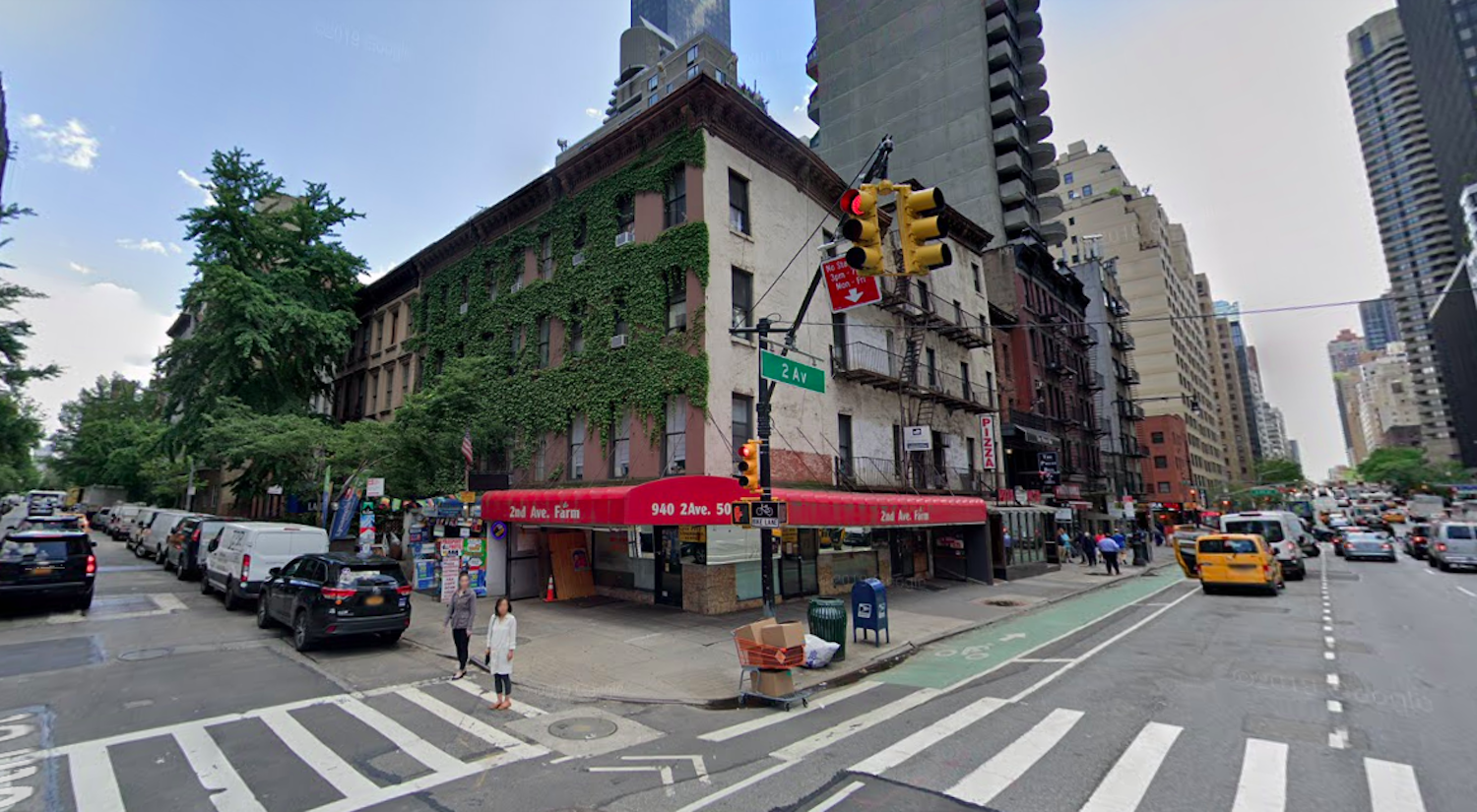
The property was formerly occupied by a row of low-rise buildings, seen in the following Google Street View image.

300 East 50th Street in Midtown East, Manhattan via Google Maps

The main rendering looks at the northwestern corner of the building along Second Avenue. The first setback is situated on the 16th floor, topped with landscaped private terraces, while additional setbacks are found on the 18th floor. The roof parapet and mechanical bulkhead are lined with metal screens. The property will also feature 100 feet of ground-floor retail frontage on the northern and western elevations, with large windows framed by bronze-hued paneling.

300 East 50th Street is planned to house ten to 12 apartments per floor on levels two through 15, and five to seven apartments per floor on levels 16 through 23. Amenities include a shared rooftop deck, bicycle parking, a lounge, a fitness center, and an inner courtyard.

The nearest subways from the property are the local E and M trains at the Lexington Avenue-53rd Street station, and the local 6 train that connects underneath at the 51st Street station.

300 East 50th Street’s anticipated completion date is slated for the fourth quarter of 2025, as noted on site.


View Source